Bathroom Remodeling That Works for Daily Life
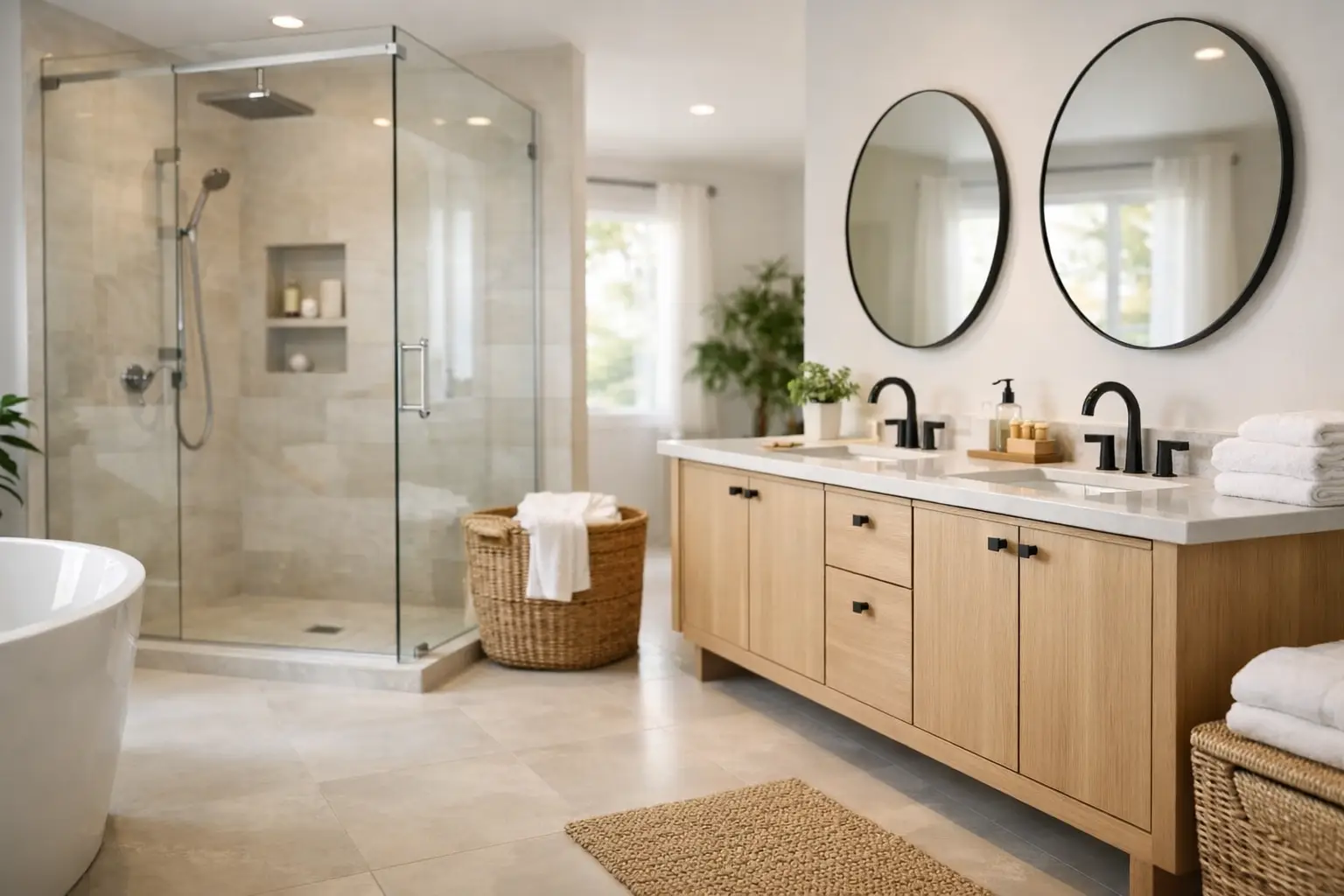
A bathroom that looks dated is one thing. A bathroom that fights you every morning with poor storage, weak lighting, damaged tile, or a layout that wastes space is a different problem entirely. Bathroom remodeling is not just about appearance. For most homeowners, it is about making a high-use part of the house easier to live with day after day.
In homes across Tallahassee, Marianna, Dothan, and nearby areas, bathrooms often show wear faster than other rooms. Moisture, daily traffic, and aging materials take a toll. Fixtures become inefficient, caulk fails, floors loosen, and vanities stop meeting the needs of the people using them. A well-planned remodel fixes those issues while improving comfort, function, and long-term value.
What bathroom remodeling should solve
A good remodel starts with problems, not finishes. Homeowners usually have a list, even if they do not call it one. Maybe the shower feels cramped, the vanity has no useful storage, or the lighting makes the room feel dim even at full brightness. In some bathrooms, the biggest issue is maintenance. Old grout, soft subfloor spots, water-stained trim, and worn fixtures create ongoing headaches.
Bathroom remodeling works best when it addresses how the room is actually used. A hall bath used by kids needs different choices than a primary bathroom used by two adults every day. A guest bath may need durable, simple upgrades, while an older homeowner may want better accessibility and safer movement around the room. The right plan depends on the household, not a showroom photo.
The biggest decisions happen early
Most of the cost and complexity in a bathroom remodel comes from a few key decisions made at the beginning. Layout is one of them. Keeping plumbing in the same general location usually helps control labor and material costs. Moving a toilet, shifting a tub, or relocating a shower can be done, but it adds work behind walls and under floors. Sometimes the improvement is worth it. Sometimes a smarter fixture selection gets a similar result without the added expense.
Another early decision is whether the goal is a refresh or a full remodel. A refresh might include a new vanity, updated lighting, fresh paint, fixture replacement, and minor tile or trim work. A full remodel may involve demolition, subfloor repair, new wall finishes, new flooring, a new shower or tub, and substantial plumbing or electrical updates. Homeowners often start thinking they want one and realize they need the other once hidden wear is uncovered.
That is common in bathrooms because moisture problems are not always visible from the surface. Water can work behind tile, around tubs, beneath flooring, and inside wall cavities for a long time before obvious damage appears. This is why realistic planning matters.
Bathroom remodeling priorities that pay off
When budgets need to stay focused, function should lead the way. Storage is one of the most practical upgrades in any bathroom. A vanity that actually fits daily routines can make the whole room feel better organized. Drawers often work harder than traditional cabinet space, especially for shared bathrooms where people need quick access to everyday items.
Lighting is another upgrade homeowners appreciate immediately. Many bathrooms have a single overhead light that leaves shadows around the mirror. Better mirror lighting and improved overall illumination can change how the room looks and how it works. This matters for morning routines, cleaning, and safety.
Shower improvements also tend to deliver strong day-to-day value. That could mean replacing an old fiberglass unit, updating tile, improving waterproofing, adding a better shower door, or reworking storage inside the shower area. Even small details, like a niche placed at the right height or a curb that is easier to step over, can make a noticeable difference.
Flooring and ventilation should not be overlooked. Bathroom floors need to stand up to moisture, frequent cleaning, and constant foot traffic. Ventilation helps protect paint, trim, drywall, and finishes over time. A remodel that looks good but ignores moisture control often creates avoidable repair issues later.
Materials matter, but not every upgrade is worth the same
One of the most common mistakes in bathroom remodeling is overspending on the wrong elements. Premium finishes can look great, but they do not always deliver the best return in everyday use. In many homes, durability and ease of maintenance matter more than choosing the most expensive tile or hardware line.
For example, some countertop materials handle daily use and cleaning better than others. Some tile styles are attractive but require more grout maintenance than homeowners want. Matte black fixtures can look sharp, but they may show spotting more than brushed finishes. Frameless glass looks clean and modern, but it also needs regular upkeep to stay that way.
These are not reasons to avoid certain choices. They are reasons to match selections to real habits. A bathroom used by a busy family should be designed differently than one used occasionally by guests. The best result is usually the one that balances appearance, maintenance, and cost.
What to expect during the process
Bathroom remodeling can move quickly when the scope is clear, but it still requires coordination. Demolition comes first, followed by any repair work needed for framing, plumbing, electrical, or subfloor issues. Then come installation stages such as tub or shower work, wall finishes, flooring, vanity placement, trim, painting, and fixture installation.
The timeline depends on the size of the bathroom and the amount of work involved. A straightforward update may move faster than a remodel that includes structural repair or major layout changes. Product availability also matters. Homeowners sometimes choose materials without realizing that lead times can delay progress.
This is why clear communication matters from the start. It helps to know which items are driving the schedule, where flexibility exists, and what could affect the final cost. A dependable local contractor should be able to explain the scope in plain terms and keep the project moving with fewer surprises.
Local homes often need practical remodeling, not trendy remodeling
In this region, many homeowners are not looking for dramatic luxury builds. They want bathrooms that feel cleaner, work better, and hold up well. That might mean replacing worn finishes, correcting water damage, updating an old tub surround, or improving storage and lighting in a compact space. These are practical projects, but they can make a major difference in the way a home feels.
Older homes may need extra attention to wall condition, plumbing access, or floor stability. Newer homes may not need structural work, but they can still benefit from better material choices and a more functional setup. Either way, bathroom remodeling should match the home itself. A well-done upgrade feels like it belongs there.
That practical approach is one reason homeowners often turn to companies that handle both repairs and remodeling. Sometimes the job starts with a cosmetic goal and turns into a repair issue once work begins. When one team can manage both sides of the project, it usually creates a smoother process. Sola Handyman Services works with that mindset, helping homeowners address both visible upgrades and the underlying problems that can come with an aging bathroom.
How to plan a remodel that makes sense
Before work starts, it helps to be clear about what is bothering you most. If the shower leaks, the floor feels soft, or the vanity no longer works for your household, those issues should lead the plan. Design choices matter, but they should support the room's function instead of distracting from it.
It also helps to separate must-haves from nice-to-haves. A must-have might be replacing damaged materials, improving accessibility, or adding better ventilation. A nice-to-have might be a second sink, upgraded tile patterns, or high-end fixture finishes. There is nothing wrong with those upgrades, but priorities keep the budget working in the right direction.
Good planning also means expecting some trade-offs. A larger vanity may reduce floor space. A walk-in shower may improve access but remove the only tub in the house. Custom features can improve storage, but they may increase lead time and cost. The right choices depend on how the bathroom is used now and how you want it to function in the years ahead.
Bathroom remodeling is one of the most useful ways to improve a home because it combines repair, comfort, and value in one project. When the work is planned around daily use instead of passing trends, the result feels better every time the light comes on and the water starts running. If your bathroom has become harder to use, harder to clean, or harder to ignore, that is usually the clearest sign it is time to make it work for your life again.