Bathroom Tile Installation Help for a Lasting Finish
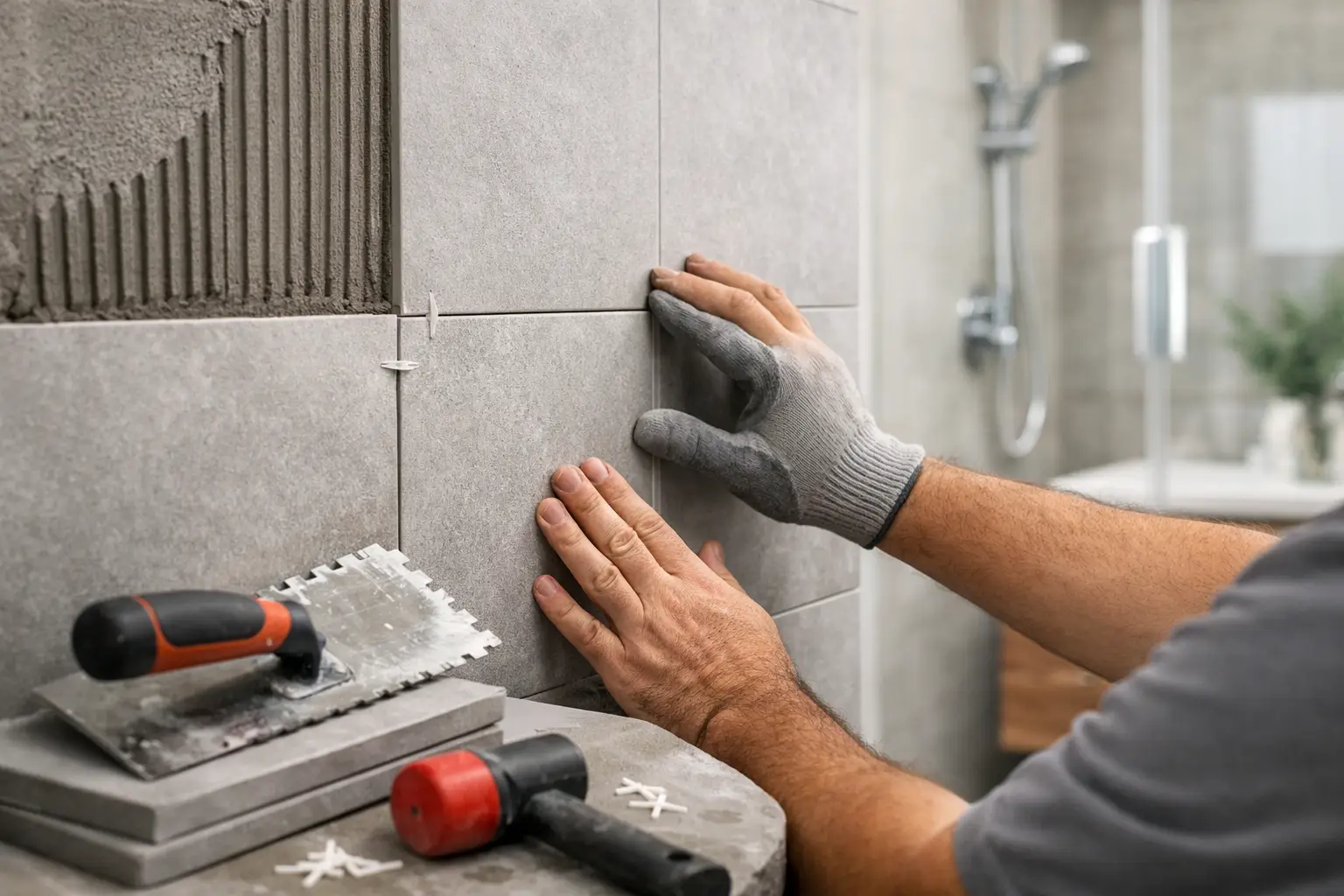
A bathroom floor can look simple until the old tile comes up. Underneath, homeowners often find cracked backer board, soft subflooring, uneven concrete, or moisture damage around a tub or shower. That is where bathroom tile installation help becomes more than a cosmetic upgrade. Proper tile work protects the surfaces behind the finish and helps prevent a small renovation from becoming a larger repair.
For homeowners in Tallahassee, Marianna, Dothan, and nearby communities, a tile project should begin with the condition of the room, not just the color or pattern of the tile. Bathrooms see regular moisture, changing temperatures, and heavy daily use. The installation method needs to match those conditions.
When Bathroom Tile Installation Help Makes Sense
Replacing a few cracked floor tiles can sometimes be a manageable repair if matching tile is available and the surrounding floor is stable. Full bathroom tile installation is a different kind of project. It requires accurate measurements, a level layout, proper substrate preparation, reliable waterproofing, and clean finishing at edges, corners, and fixtures.
Professional help is especially worthwhile when tile is going into a shower, around a bathtub, over a damaged floor, or on walls that are not flat. Large-format tile also requires careful surface preparation. A slight low spot in the wall or floor can create uneven edges, commonly called lippage, that are noticeable once the grout is in place.
It also makes sense to bring in a skilled installer when plumbing fixtures must be removed or reset. Toilets, vanities, trim, and transition points all affect how the finished tile looks and performs. Trying to tile around problems instead of addressing them first can lead to awkward cuts, loose materials, or water getting where it should not.
Start With the Surface Behind the Tile
Tile is only as dependable as the surface supporting it. Before new material is installed, the existing floor or wall needs a close inspection for movement, moisture damage, cracks, and uneven areas. A floor that flexes underfoot can cause grout to crack and tiles to loosen over time.
On bathroom floors, the installer may need to repair or reinforce the subfloor before installing an approved underlayment or uncoupling membrane. On walls, ordinary drywall is not the right base inside a shower or other wet area. Cement board, foam backer board, or another approved system may be used depending on the application.
Waterproofing deserves special attention. Grout and tile are not a waterproof barrier by themselves. In a shower, the backing system, seams, corners, niches, and pipe openings must be properly protected before tile is set. This step is mostly hidden when the work is finished, but it is one of the biggest differences between a shower that holds up and one that develops damage behind the walls.
Plan the Layout Before Mixing Mortar
A good layout avoids narrow slivers of tile at the most visible edges of a floor or wall. It also keeps grout lines straight and creates a balanced appearance around the vanity, tub, shower, and doorway. This planning should happen before mortar is mixed and before the first tile is installed.
For a bathroom floor, the centerline of the room may be a useful starting point, but it depends on what is visible. In some rooms, it is better to center the layout on the vanity or the doorway. In a shower, wall tile is often arranged so the most noticeable wall has balanced cuts at each side.
Pattern choices affect both labor and material waste. Straight-set tile is usually the most efficient layout. Diagonal patterns, herringbone, and detailed borders can make a strong visual statement, but they require more cuts and more time. That does not make them a bad choice. It simply means the project scope should account for the added work.
Choose Materials That Fit the Bathroom
Porcelain and ceramic tile are common choices because they are durable, easy to clean, and available in many styles. Porcelain is generally denser and absorbs less water, which makes it a strong option for wet bathroom spaces. Natural stone can create a distinctive finish, but it may need sealing and more regular maintenance.
Tile size matters as well. Larger tiles can make a small bathroom feel less busy because there are fewer grout lines. However, they are less forgiving on uneven surfaces and can be difficult to slope correctly in a shower. Smaller mosaic tile is often a practical choice for shower floors because the added grout lines provide traction and allow the tile to follow the slope toward the drain.
Grout should be selected with daily maintenance in mind. A very light grout can show dirt more easily, while a darker grout may show soap residue or mineral deposits in some homes. The right color depends on the tile, lighting, and how much contrast the homeowner wants. Proper sealing, where recommended, and regular cleaning will help preserve the finished appearance.
The Details That Keep Water Moving Correctly
A bathroom floor needs sensible transitions at doorways and a stable connection around the toilet flange. A shower needs more precise water management. The floor must slope consistently toward the drain so water does not collect in corners or along the walls.
Shower niches, benches, curbs, and corners are common places for installation mistakes. These areas need correct waterproofing and, in many cases, a slight slope so water sheds toward the shower instead of sitting on a horizontal surface. Caulk, not grout, is typically used at changes of plane, such as where a wall meets a floor or tub. Caulk allows for small movements that rigid grout cannot handle.
Finishing edges also matters. Exposed tile edges around a niche, backsplash, or shower opening should be planned with trim pieces, polished edges, or a compatible metal profile. These details give the installation a clean appearance and protect vulnerable tile edges from chipping.
Repair First or Retile the Entire Space?
Not every bathroom needs a complete tile renovation. If damage is limited to a few loose or cracked tiles and the surrounding surface is dry and stable, a targeted repair may be the practical choice. The challenge is finding replacement tile that matches the existing color, size, and texture.
A full replacement is often a better value when the tile has widespread cracking, grout is failing in multiple areas, the floor feels soft, or the shower has signs of water damage. Retiling without correcting the cause of the problem only covers it temporarily. A thorough evaluation can determine whether the issue is surface wear, a failing substrate, or moisture entering behind the tile.
What to Expect From a Professional Tile Project
A dependable tile installation starts with a clear look at the room and the planned scope of work. That includes discussing tile selection, checking the condition of the existing surfaces, identifying necessary repairs, and determining whether fixtures need to be removed and reinstalled.
The work typically progresses from demolition and surface repair to waterproofing, layout, tile setting, grouting, and finish work. Drying and curing times matter. Rushing onto fresh grout or exposing new shower work to water too soon can affect the result. A professional schedule accounts for those steps rather than treating tile installation as a one-day cosmetic job.
Sola Handyman Services provides practical bathroom improvement support for homeowners who want skilled help with tile work, repairs, and remodeling details. Whether the project involves a floor update, tub surround, shower refresh, or preparation for a new vanity, the goal is a finished space that looks right and functions reliably.
Get the Project Ready Before Work Begins
Before tile work starts, remove personal items from the bathroom and make arrangements for an alternate bathroom if the only one in the home will be out of service. Confirm the selected tile, grout, trim, fixtures, and hardware early so the project does not pause while materials are located.
The best bathroom tile installation is not just about straight lines and attractive grout. It is about correcting what is underneath, managing moisture where it matters, and giving your home a finish built for everyday use.