Fence Repair Versus Replacement: Which Fits?
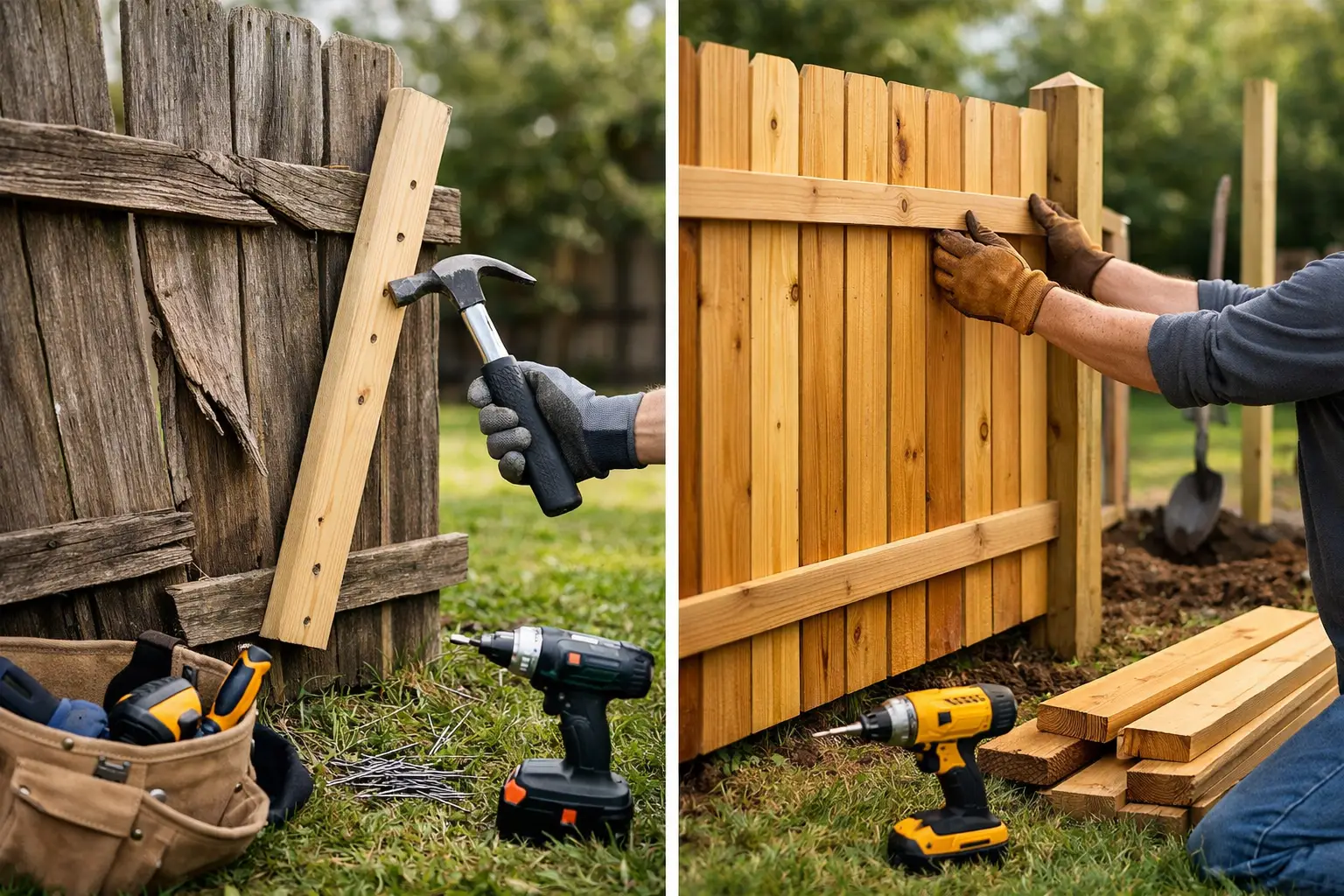
A fence rarely fails all at once. One leaning post, a few loose pickets, or a sagging gate can make a homeowner wonder whether a small fix is enough. Fence repair versus replacement is not always a simple cost comparison. The right choice depends on the fence material, the extent of the damage, its age, and whether the structure can still do its job safely.
For homeowners in Tallahassee, Marianna, Dothan, and nearby communities, weather is often part of the problem. Heavy rain, humidity, wind, shifting soil, and years of sun exposure can gradually weaken wood, hardware, and support posts. A professional assessment can separate a repairable problem from a fence that is nearing the end of its useful life.
When Fence Repair Is the Practical Choice
Repair usually makes sense when the damage is limited and the rest of the fence remains stable. A good fence does not need to look brand new to perform well. If most sections are straight, posts are solid, and the material has not deteriorated widely, targeted repairs can restore function without the expense of replacing the entire fence.
A few broken or missing boards on a wood privacy fence are typically repair issues. Individual pickets can often be replaced, secured, and finished to match the surrounding panels as closely as possible. The same applies to loose rails, damaged gate hardware, or a section affected by a fallen limb.
Posts deserve closer attention because they carry the load of the fence. If one post has begun to lean due to soil movement, minor rot, or a failed concrete footing, replacing and resetting that post may correct the surrounding section. Repairing the support early can prevent additional strain on rails, panels, and gates.
Chain-link and vinyl fences can also be good repair candidates. Bent chain-link fabric, damaged tension bars, worn hinges, and a broken vinyl panel may be addressed without removing a full fence line. The key is whether replacement parts are available and whether the remaining materials are in sound condition.
Repair is often the better value when the fence is relatively new, the damage has a clear cause, and the repair will not create a weak point beside failing sections. It is also a sensible choice for homeowners preparing for a larger exterior project later and needing the fence to remain secure in the meantime.
Signs Replacement Will Save Money Over Time
Replacement becomes the stronger choice when repairs are no longer isolated. A fence made up of multiple temporary fixes can become more expensive than starting over, especially when labor is required repeatedly for posts, panels, fasteners, and gates.
Wood fences are especially vulnerable to widespread moisture damage. A few soft boards can be replaced. But if posts are rotting at ground level, rails are splitting across several sections, and pickets are warping or cracking throughout the yard, the fence structure is declining as a whole. New boards attached to weak framing will not solve the underlying problem.
Replacement may also be necessary when a fence no longer provides dependable privacy or security. Large gaps, unstable gates, leaning runs, and posts that move when pushed are more than appearance concerns. They can affect pets, children, pool areas, and the overall security of the property.
Consider replacement when you notice several of these conditions at once:
- Multiple leaning, loose, or rotted posts
- Recurring damage in different sections of the fence
- Extensive insect damage, rot, or mold-related deterioration
- A gate that will not stay aligned because the adjoining structure has shifted
- Old materials that no longer match available replacement parts
- A fence layout or height that no longer fits the way you use the property
A new fence can also be the practical option during a major yard improvement. If you are adding a patio, updating drainage, installing a pool enclosure, or changing the landscape layout, replacing an aging fence may prevent the need to disturb a recently repaired section later.
Comparing Fence Repair Versus Replacement Costs
The lowest upfront price is not always the lowest long-term cost. A modest repair can be an excellent investment when it extends the life of a sound fence for years. On the other hand, spending money to patch a fence that needs major work every season can become frustrating and costly.
Start by looking at the scope of the work. Replacing a few pickets and rehanging a gate is very different from resetting several posts or rebuilding several runs of fencing. Labor, material availability, access to the fence line, debris removal, and the condition of neighboring sections all affect the final price.
Material matters as well. Pressure-treated wood may offer a more affordable replacement path, while vinyl, aluminum, and composite materials can have higher initial costs but may reduce maintenance needs. There is no single best material for every home. Privacy needs, neighborhood style, maintenance preferences, and budget should guide the decision.
Homeowners should also think about the cost of waiting. A loose panel may be a simple repair now. If it pulls against adjacent rails during a storm or allows a gate to shift, the project can grow quickly. Addressing damage early often gives you more repair options.
Safety, Property Lines, and Local Conditions
A fence project is not only about the visible damage. Before repairs or replacement begin, confirm where the fence sits and whether it is shared with a neighboring property. Property lines, easements, homeowner association rules, and local permit requirements can affect the design, height, and placement of a new fence.
For repairs, it is still wise to check the full fence line. A damaged section may reveal poor drainage, tree-root pressure, or ground movement that will affect other areas. In North Florida and South Alabama, frequent rain can wash out soil around posts, while dense shade can hold moisture against wood and speed up decay.
Gates need particular attention because they are used more than any other part of the fence. A gate that drags, will not latch, or swings out of alignment may signal a simple hinge issue, but it can also point to a failing post. Correcting the cause is more reliable than repeatedly adjusting the latch.
How to Make the Right Call
Walk the fence line and look beyond the most obvious damage. Check posts at ground level, press lightly on questionable sections, open and close each gate, and look for uneven spacing or areas where panels have pulled away from rails. Avoid putting weight on a visibly unstable fence, especially near damaged posts.
Then consider the age of the fence and its repair history. If this is the first issue in an otherwise well-maintained fence, repair may be the clear answer. If you have replaced boards, tightened hardware, reset posts, and repaired gates several times in recent years, replacement deserves serious consideration.
It also helps to decide what you need from the fence going forward. A homeowner who only needs a boundary marker may choose a different solution than a family seeking privacy, pet containment, or a secure backyard space. The best project is one that meets current needs without creating avoidable maintenance problems later.
Sola Handyman Services can help homeowners evaluate damaged fence sections, complete practical repairs, and plan related exterior improvement work with a clear view of the condition of the property. A dependable fence should not be a source of constant worry. Address the small problems while they are still small, and replace the structure when repairs can no longer deliver the safety, appearance, and function your home needs.