Handyman or Electrician? Know Who to Call
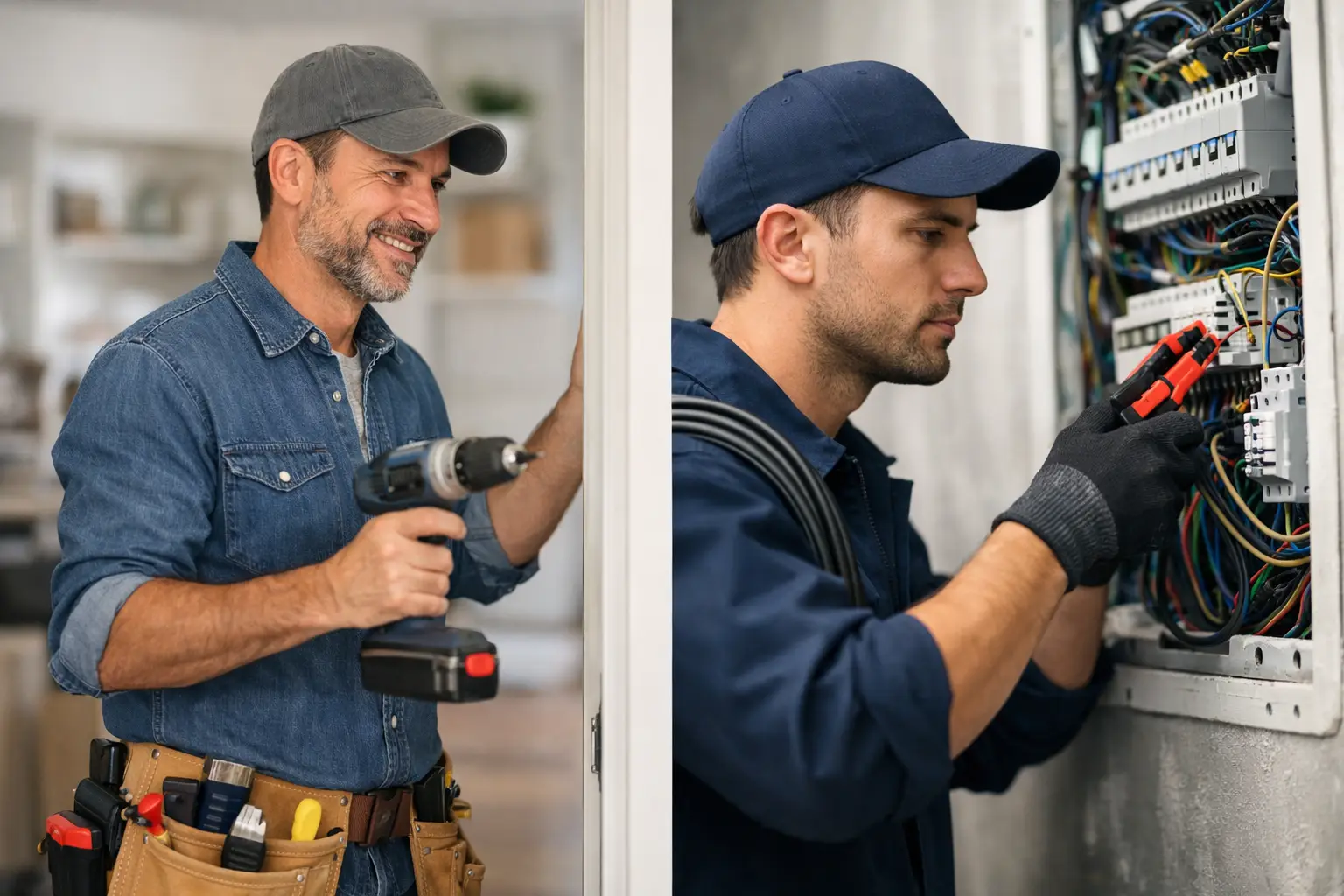
A flickering light, a dead outlet, or a new ceiling fan can look like a small weekend project. But deciding between a handyman or electrician is not only about convenience. It affects safety, local code requirements, insurance, and whether the repair truly solves the problem instead of creating a larger one.
For homeowners in Tallahassee, Marianna, Dothan, and nearby communities, the right choice usually comes down to one question: Is this a general home repair near an electrical component, or does it involve the electrical system itself? Knowing the difference can save time, prevent repeat repairs, and protect your home.
Handyman or Electrician: The Main Difference
A handyman handles a wide range of general repair, maintenance, installation, and improvement projects. This can include repairing drywall after a plumbing repair, mounting a TV, replacing damaged trim, installing shelving, repairing doors, updating hardware, assembling outdoor structures, and completing many remodeling tasks.
An electrician specializes in electrical systems. Their work involves wiring, circuits, service panels, breakers, grounding, electrical connections, and code-compliant installation. Licensed electricians are trained to diagnose electrical problems safely and to perform work that may require permits or inspections.
The dividing line is not always obvious. A bathroom remodel, for example, may need both types of work. A handyman can handle demolition, drywall, flooring, trim, cabinets, painting, and fixture-related finishing work. If the project requires moving outlets, adding a dedicated circuit, changing wiring, or installing new electrical service, an electrician should handle that portion.
When a Handyman Is the Right Fit
A handyman is often the practical choice when the main need is repair, installation, or finishing work that does not alter your home's wiring or electrical distribution. Homeowners commonly call for help with damaged wall areas around outlets, loose outlet covers, mounting a television where electrical work is not needed, replacing doorbells that use existing low-voltage components, or installing battery-powered smoke detectors.
Handyman support also makes sense for projects that involve an electrical item but are primarily carpentry or remodeling work. For example, you may need a bathroom exhaust fan cover replaced, access panels repaired after an electrical repair, or cabinets modified to fit around existing outlets. The focus in these cases is on the home improvement work, not the electrical connection.
A dependable handyman can also help prepare a space before an electrician arrives and restore it afterward. That may include opening and patching drywall where appropriate, repairing trim, repainting affected areas, or completing the remodeling details that make the finished repair look like it belongs in your home.
When You Need an Electrician
Call an electrician when a job involves wires, circuits, breakers, a panel, grounding, or a permanent electrical connection. This is especially true if the issue is unexplained, recurring, or affecting more than one area of the home.
An electrician is the right professional for work such as installing new outlets, replacing or upgrading a breaker panel, adding circuits for an appliance, repairing damaged wiring, installing a hardwired light fixture, moving switches or outlets, and troubleshooting power loss. They should also evaluate outlets that feel warm, spark, make buzzing sounds, or do not hold plugs securely.
Older homes may need special attention. Outdated wiring, insufficient capacity, improperly grounded outlets, and DIY repairs from previous owners can all create hidden risks. An electrician can determine whether a visible problem is isolated or part of a larger issue behind the walls.
Electrical Warning Signs That Should Not Wait
Some problems are clearly beyond a routine repair. If you notice burning smells, scorch marks, repeated breaker trips, shocks from appliances or switches, buzzing from a panel, or lights that dim when larger appliances start, turn off power to the affected area if it is safe to do so and contact a qualified electrician.
These signs can point to overloaded circuits, loose connections, damaged wiring, or panel problems. Replacing a cover plate or changing a bulb will not address the cause. Waiting can increase the risk of equipment damage, electrical shock, or fire.
Be especially careful with water-adjacent spaces. Kitchens, bathrooms, laundry rooms, garages, and outdoor areas have additional electrical safety considerations. Ground-fault protection, weather-rated equipment, proper placement, and correct installation matter in these locations. If an outlet near water does not work or repeatedly trips, an electrician should assess it.
How Permits and Local Codes Affect the Decision
Permitting rules vary by location and by the scope of the work. In general, jobs involving new circuits, panel changes, substantial rewiring, or permanent electrical installations may require permits and inspections. These requirements are there to help ensure the work is safe and meets current standards.
A project that starts small can also change scope quickly. Replacing a kitchen backsplash may reveal damaged wiring. Installing a new appliance may show that the existing circuit cannot safely support it. Remodeling a room may require additional outlets, updated protection, or changes to accommodate the new layout.
Before beginning a project, ask what work is included and whether it affects the electrical system. If permits may be needed, confirm that the electrical portion will be completed by the appropriate licensed professional. Clear expectations at the start help avoid delays, surprise costs, and unfinished work later.
A Practical Way to Plan Projects That Need Both
Many home improvements are not strictly handyman jobs or strictly electrical jobs. They are coordinated projects. Planning the order of work helps protect your budget and keeps finished surfaces from being damaged during later repairs.
Start With the Electrical Scope
If you are remodeling a kitchen, bathroom, bedroom, garage, or outdoor living area, identify electrical changes first. Decide whether you need additional lighting, new outlets, appliance circuits, exhaust fans, charging stations, or upgraded safety devices. An electrician can complete the necessary rough-in work before drywall, cabinets, flooring, and finish materials are installed.
This approach is usually more efficient than completing the cosmetic work first and reopening walls later. It also gives you a more accurate project budget from the beginning.
Finish With Repair and Remodeling Work
Once the electrical work is complete, a handyman can take care of the visible restoration and improvement work. This may include drywall repair, texture matching, trim installation, painting, cabinet adjustments, tile repair, fixture finishing, and other details that bring the room back together.
This division of work gives each professional a clear role. The electrician handles the safety-critical system work, while the handyman focuses on practical repairs and the finished appearance of the space.
Questions to Ask Before Scheduling Service
You do not need to know every technical detail before making a call. Describe what you see, when the issue started, and whether anything changed before the problem appeared. Mention if breakers are tripping, if the affected area has moisture exposure, or if the work is part of a larger remodel.
It also helps to ask whether the project changes wiring, requires a permit, or needs an electrician before other repairs begin. For a remodeling project, ask how the work will be sequenced so electrical needs are addressed before walls and finishes are closed up.
A good service provider will be direct about the scope. If the work belongs with an electrician, that is the right answer. If the electrical system is already sound and the project needs repair, installation, carpentry, or finishing work, a handyman can help move it forward.
For general repairs, remodeling updates, and the finishing work that turns a repair into a completed project, Sola Handyman Services provides dependable support for homeowners throughout the local area. When electricity is part of the job, choosing the right professional first helps keep the rest of the project on track.