How to Fix Sticking Doors at Home
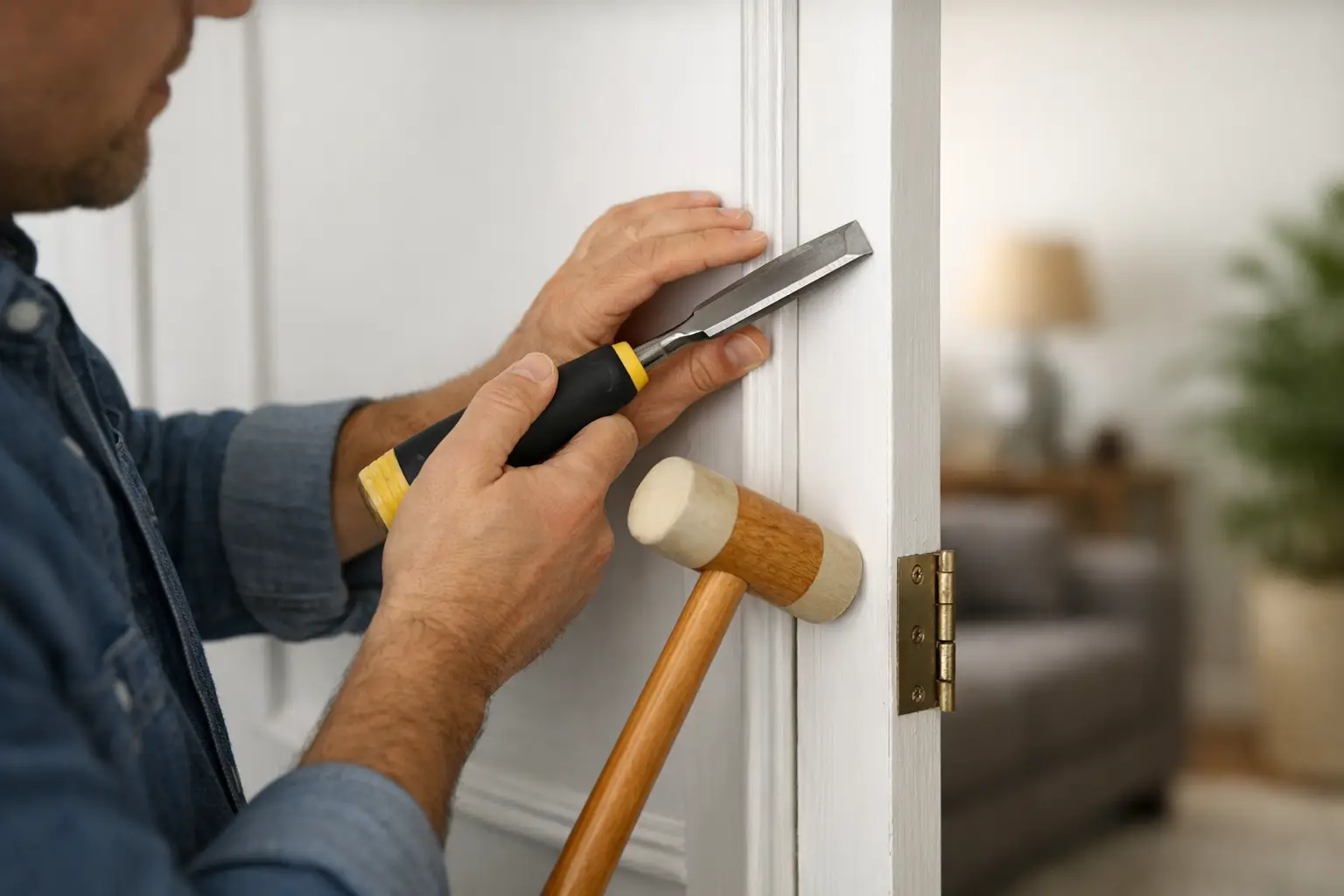
A door that sticks usually starts as a small annoyance. Then it turns into a daily problem - dragging on the floor, catching at the frame, or refusing to latch without a shove. If you are wondering how to fix sticking doors, the first step is figuring out why the door is binding in the first place. The right fix depends on whether the issue is loose hardware, humidity, settling, or wear in the frame itself.
How to Fix Sticking Doors the Right Way
Many homeowners assume a sticking door just needs to be shaved down. Sometimes that works, but it is not always the best first move. If the real problem is a loose hinge, a swollen wood door, or a frame that has shifted, cutting the door can create a bigger gap later when conditions change.
Start by opening and closing the door slowly. Watch where it rubs. A door that sticks at the top corner near the latch side often points to hinge or alignment issues. A door that drags across the bottom may be sagging or reacting to seasonal moisture. If it binds evenly along one side, the frame or slab may have expanded.
A simple inspection usually tells you whether this is a quick adjustment or a repair that needs more involved work.
Check the hinges first
Loose hinges are one of the most common causes of sticking doors. Over time, screws can back out, especially on frequently used interior doors. When that happens, the door starts to sag and rub against the jamb.
Tighten every hinge screw on both the door and the frame. Use a hand screwdriver if possible so you can feel whether the screw is actually biting into solid wood. If a screw keeps spinning, the hole may be stripped. In that case, replacing it with a longer screw often helps pull the hinge back tight to the framing.
This is a small repair, but it can make a big difference. If the sticking stops after tightening the hinges, there is no reason to do more.
Look for signs of sagging
Stand back and check the gap around the door. The spacing should be fairly even. If the top gap is tight on one side and wider on the other, the door is likely sagging.
That can happen from worn hinge screws, heavy solid-core doors, or years of repeated use. In some homes, minor settling also changes the way a door sits in the opening. If tightening the hinges does not correct the alignment, the door may need to be adjusted, rehung, or shimmed.
This is where experience matters. A quick fix can work for a while, but if the frame is out of square, the problem tends to come back.
Common Reasons Doors Start Sticking
Not every sticking door has the same cause. In homes across Florida and Alabama, moisture and seasonal shifts are common factors, especially with wood doors and older frames.
Humidity and swelling
Wood naturally expands when it absorbs moisture. During humid months, doors can swell enough to rub at the jamb or threshold. This is especially common on exterior doors, bathroom doors, and doors near laundry areas.
If the door only sticks during certain times of year, humidity may be the main issue. In that case, sanding or planing might help, but only after you confirm the door is aligned correctly. Removing too much material can leave visible gaps when the weather turns drier.
Paint buildup
Older doors often have several layers of paint along the edges. That extra thickness can create friction between the door and frame, especially if previous repainting was done without proper prep.
If the sticking is minor and you can see heavy paint along the rubbing edge, careful sanding may solve it. The key word is careful. You want to remove just enough material to restore clearance without exposing raw wood more than necessary.
Foundation movement or frame shift
Some sticking doors are really a sign that the opening has moved. Homes settle over time, and even small shifts in the framing can affect how a door operates. This is more likely if several doors in the house have become hard to close, or if you notice cracks around trim or drywall nearby.
In that situation, trimming the door alone may not be the right fix. The frame may need adjustment, and sometimes the issue points to a larger structural change that should not be ignored.
Practical Repairs That Usually Work
Once you know where the door is sticking, the repair becomes more straightforward. The goal is to correct the cause, not just force the door to clear the opening.
If hinge screws are loose, tighten or replace them. If the strike plate is misaligned, repositioning it may help the latch catch properly after the door is adjusted. If the edge of the door has minor rubbing from paint or swelling, sanding the contact area can restore a smooth swing.
For doors that consistently bind because of wood expansion, planing may be necessary. That means removing a small amount of material from the sticking edge and refinishing the exposed area. It sounds simple, but precision matters. Take off too little and the problem stays. Take off too much and the door looks uneven or lets in light and air.
On exterior doors, threshold and weatherstripping issues can add another layer. A door may seem like it is sticking at the bottom when the real culprit is a worn threshold, loose sweep, or swelling near the sill. These parts need to work together, so the repair has to consider the full opening.
When DIY Stops Being Worth It
Some door repairs are manageable for a confident homeowner with the right tools. Others become frustrating fast. If the door needs to be removed, trimmed precisely, reinstalled, and adjusted so it latches correctly, it is easy to lose time and still end up with a poor fit.
Interior hollow-core doors are usually more forgiving. Exterior doors, solid wood doors, and older custom-sized doors are less forgiving. Those often require more careful handling, especially if security, weather sealing, or finish appearance matter.
There is also the question of what caused the sticking in the first place. If the issue is tied to frame movement, moisture damage, or wear in surrounding trim, a surface-level fix may not last. In those cases, professional repair is usually the better value because it addresses the full problem instead of the symptom.
How to Fix Sticking Doors Without Causing New Problems
The biggest mistake people make is rushing to cut the door. That can solve the immediate rubbing, but it can also leave uneven gaps, exposed wood, chipped paint, or latch issues. A door should open smoothly, close fully, and sit evenly in the frame. If one adjustment throws off the rest, the repair is not finished.
A better approach is to work in order. Confirm the hinges are secure. Check for sagging. Identify the exact contact points. Consider seasonal humidity. Then decide whether the fix is alignment, sanding, planing, or frame correction.
That step-by-step approach saves time and helps avoid unnecessary damage. It also gives you a clearer sense of when the repair is still simple and when it has turned into a job that needs professional attention.
For homeowners in Tallahassee, Marianna, Dothan, and nearby communities, sticking doors are a common repair call because the cause is not always obvious at first glance. Sola Handyman Services handles these kinds of everyday home problems with practical repairs that fit the house, the season, and the way the door is actually being used.
A Sticking Door Is Usually Telling You Something
Sometimes the fix is as simple as tightening a few screws. Sometimes the door is reacting to moisture, paint buildup, or movement in the frame. Either way, a sticking door is more than a nuisance. It is a sign that something has changed, and catching it early usually means a cleaner, easier repair.
If your door has gone from slightly stubborn to consistently hard to open or close, it is a good time to deal with it before the wear gets worse. A properly working door should not need force, and getting it back to that point can make the whole room feel right again.