How to Prioritize Home Repairs
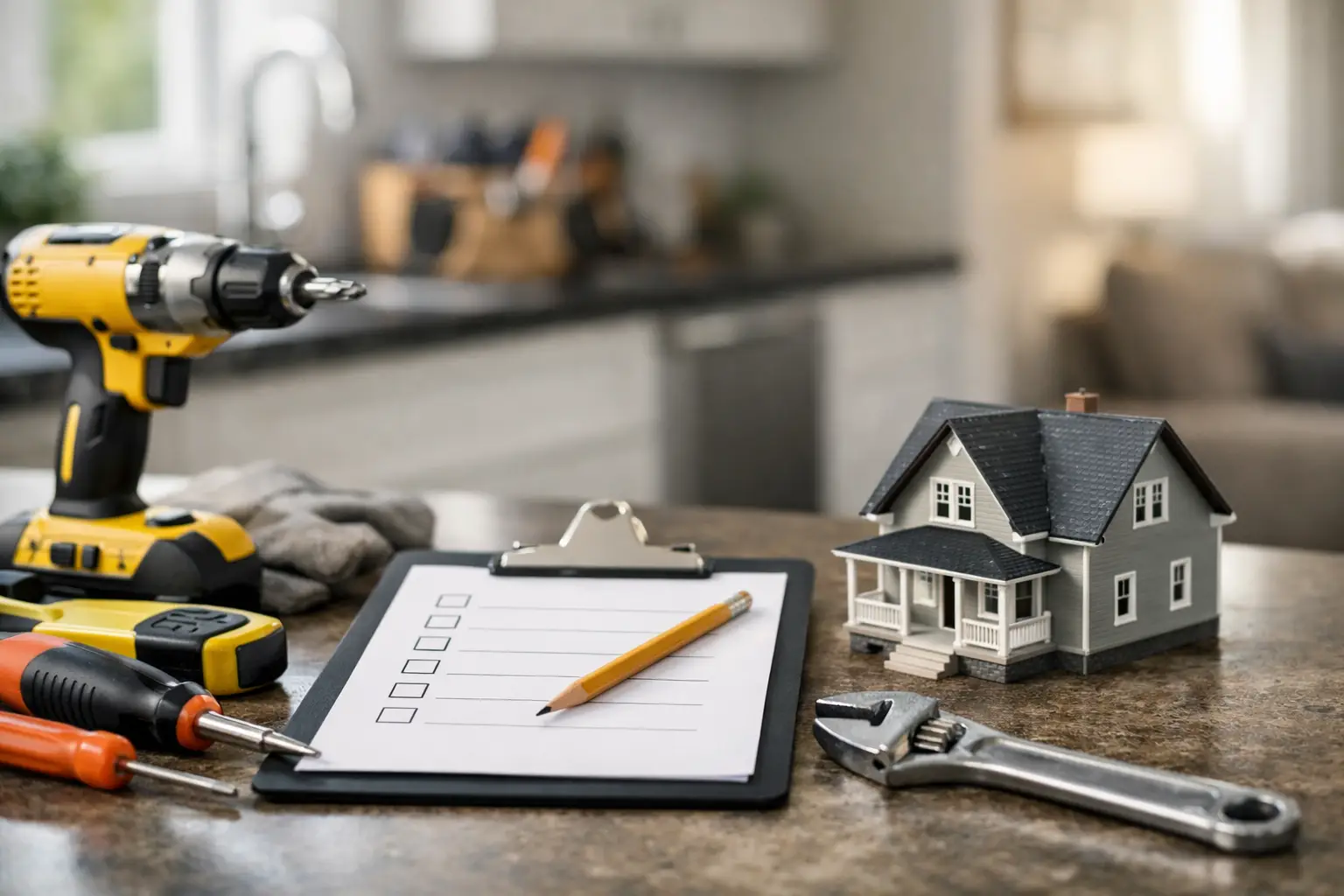
A leaking pipe under the sink, a loose handrail at the front steps, and a drywall crack in the guest room do not belong in the same category - even if they all show up in the same week. If you are wondering how to prioritize home repairs, the fastest way to make sense of it is to separate what is dangerous, what gets worse fast, and what can reasonably wait.
Many homeowners in Tallahassee, Marianna, Dothan, and nearby areas run into the same problem. Repairs tend to pile up until everything feels urgent. The goal is not to fix every issue at once. The goal is to make smart decisions that protect your home, your budget, and the people living in it.
How to Prioritize Home Repairs Without Guessing
The best approach is simple. Start with safety, then move to anything that can cause bigger structural or moisture-related damage, then look at systems that affect daily use, and leave cosmetic concerns for last.
That order matters because not every repair costs the same to ignore. A sticking interior door may be annoying, but a soft spot in the bathroom floor could point to hidden water damage. One issue affects convenience. The other can spread, weaken materials, and lead to a much larger project.
When homeowners get overwhelmed, they often choose the repair they can see most easily. Fresh paint, cracked tile, or old trim tends to get attention first because it is obvious. The better choice is to focus on what has the highest risk if it stays unresolved.
Start With Safety Issues First
Any repair that could lead to injury or create an immediate hazard goes to the top of the list. That includes loose railings, damaged stairs, electrical problems, sparking outlets, exposed wiring, unstable flooring, broken locks, and anything that affects safe entry and exit from the home.
This is especially important in homes with children, older adults, or frequent guests. A small trip hazard or a weak handrail may not seem major until someone gets hurt. The same goes for rotten deck boards, damaged porch steps, or doors that do not latch properly.
Electrical and plumbing concerns also belong in this category when they create active risk. If a fixture flickers because of a loose bulb, that may be minor. If breakers trip repeatedly or an outlet feels hot, that is different. If a faucet drips occasionally, that may wait a little. If a supply line is leaking into a cabinet or wall, it should move up the list quickly.
Stop Damage That Gets More Expensive Over Time
After safety, the next priority is protecting the structure of the home. Water is usually the biggest concern here. Small leaks rarely stay small, and moisture problems tend to spread quietly behind walls, under floors, and around windows or roofing materials.
Pay close attention to signs such as staining on ceilings, peeling paint, musty smells, warped trim, bubbling drywall, soft flooring, or visible mold. These issues can point to roof leaks, plumbing leaks, drainage problems, or failed caulking and seals around tubs, showers, doors, and windows.
Exterior repairs often fall into this group too. Damaged siding, rotted fascia, failing window trim, or gaps around exterior openings can let in moisture and pests. In Florida and Alabama, heat, humidity, and seasonal storms can accelerate wear. A repair that seems minor at the start of summer can become a much bigger problem after repeated rain.
If you are choosing between replacing a scratched vanity mirror and repairing wood rot around a window, the window repair should come first every time. One is cosmetic. The other threatens the home itself.
Put Essential Function Right After Protection
Once safety and damage prevention are addressed, focus on repairs that affect how the home works day to day. These are the issues that disrupt normal living even if they are not yet dangerous.
Think about doors that will not close properly, cabinets pulling away from the wall, a toilet that runs constantly, damaged flooring in a high-traffic area, broken light fixtures, or worn bathroom hardware that makes regular use difficult. These problems may not create immediate emergency conditions, but they do affect comfort, efficiency, and the overall condition of the home.
This is also where homeowners should think about repairs that waste money over time. Drafty doors, damaged weatherstripping, minor plumbing leaks, and poorly sealed windows can all increase utility costs. They may not demand same-day action, but they are worth handling before spending money on appearance upgrades.
Cosmetic Repairs Still Matter - Just Not First
Cosmetic issues are usually the easiest to postpone, but that does not mean they are unimportant. Worn caulk lines, chipped paint, outdated fixtures, damaged trim, and drywall blemishes all affect how a home feels and looks. If you are preparing to sell, host family, or simply want your home to feel finished and well-kept, these projects have real value.
The key is timing. Cosmetic work makes the most sense after higher-risk items are under control. It also pairs well with improvement projects. If you are already repairing drywall from an old leak, for example, that can be a good time to repaint the room or update trim details.
For many homeowners, this is where a handyman becomes especially useful. Bundling several smaller repairs and finish items into one visit can save time and reduce the hassle of trying to manage them one by one.
A Simple Way to Rank Repairs in Your Home
If your list is long, write down each issue and score it in four areas: safety risk, chance of causing more damage, impact on daily living, and visibility. Visibility should come last, but it can still help with planning.
A broken stair tread would score high for safety and daily use. A roof leak would score high for damage risk. A cracked backsplash might score high for visibility but low in every other category. Once you see the repairs side by side, the order becomes clearer.
It also helps to ask one practical question: what will cost more if I wait six months? That question usually reveals the right next step. Water intrusion, wood rot, loose fixtures, and failing seals almost always become more expensive with time.
Budgeting for Repairs the Smart Way
Most homeowners are not working with unlimited funds, so prioritizing also means staging work realistically. That is normal. The goal is to spend where it protects the home first, then improve everything else in a planned order.
If several repairs need attention, break them into three groups: urgent now, schedule soon, and can wait. Urgent now includes safety hazards and active leaks. Schedule soon includes wear that affects use or could worsen in the near term. Can wait includes cosmetic updates and nonessential improvements.
In some cases, combining related repairs can reduce total cost. For example, if a bathroom has water-damaged trim, loose tile, and failing caulk, addressing the whole problem at once is often better than treating each symptom separately. That is one reason many homeowners prefer working with a service provider that can handle both repairs and improvement work.
When to Call a Professional
Some repair priorities are obvious. Others are not. A small wall stain might be old, or it might signal an active leak. A sagging door could be simple hinge wear, or it could reflect framing movement and moisture issues nearby.
When the source of the problem is unclear, getting a professional assessment can save money. The right repair is not always the most visible one. Fixing surface damage without addressing the cause usually leads to repeat work.
This is where local experience matters. Homes in this region deal with humidity, storm exposure, exterior wear, and aging materials in ways that affect repair timing. A dependable local company like Sola Handyman Services can help homeowners sort through what needs immediate attention, what can be scheduled next, and what makes sense to combine into a larger improvement plan.
How to Prioritize Home Repairs Over the Year
Not every repair needs to be handled in a single month. Seasonal planning can make the process more manageable. Exterior wood repair, caulking, door adjustments, and drainage-related fixes are often easier to address before heavier rain seasons. Interior touch-ups, trim work, hardware replacement, and finish repairs can often be scheduled more flexibly.
A good habit is to review your home in sections - exterior, kitchen, bathrooms, flooring, doors and windows, and safety items - at least twice a year. That keeps small problems from becoming expensive surprises.
The right repair order is usually less about what bothers you most and more about what protects your home best. If you start there, the rest of the list gets a lot easier to manage.