How to Repair Loose Railings Safely at Home
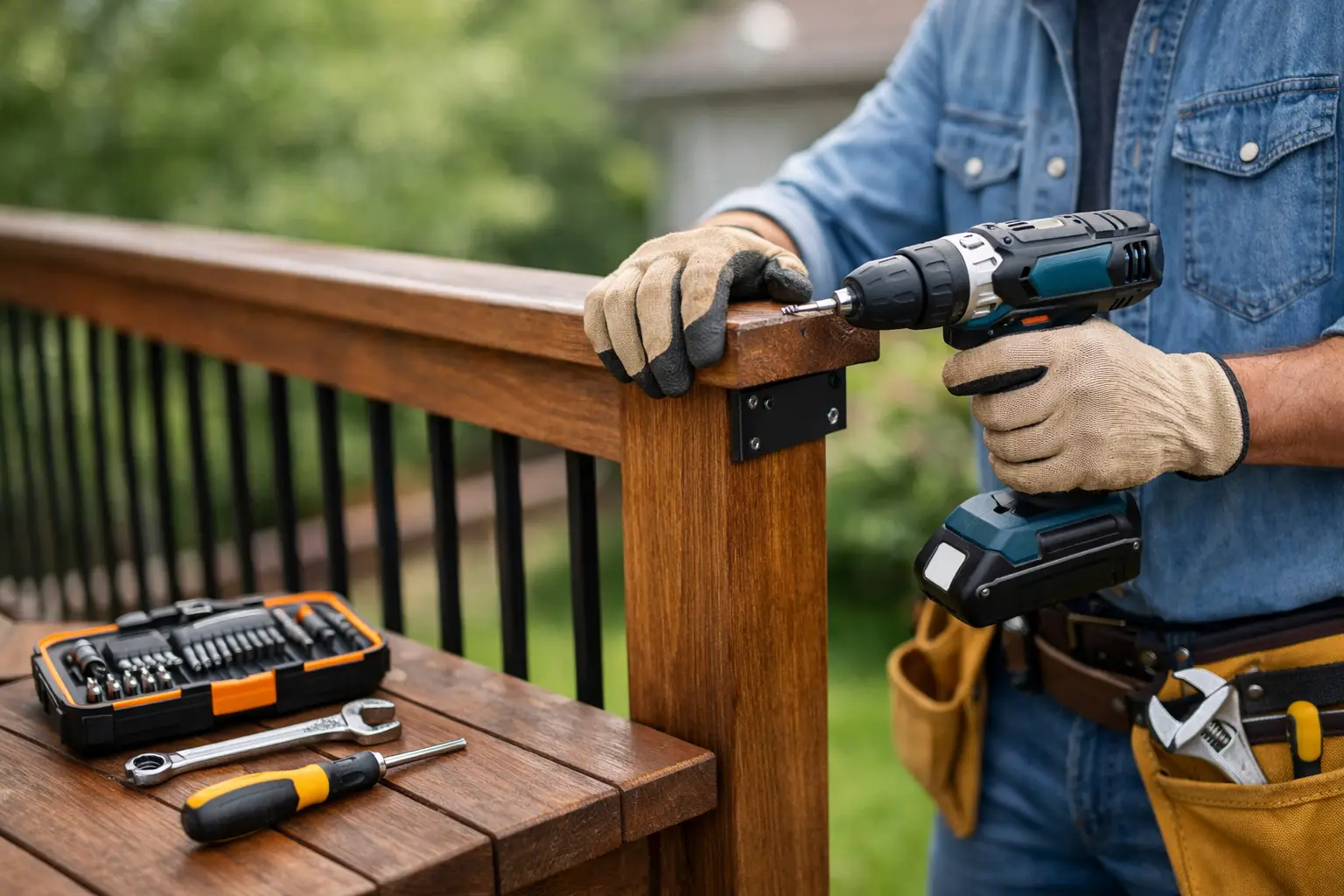
A railing that shifts when you grab it is not a small cosmetic problem. Whether it is on a porch, deck, staircase, balcony, or set of entry steps, a loose railing can turn one missed step into a serious fall. The right approach to how to repair loose railings starts with finding out why they moved in the first place - not simply tightening the nearest screw.
For homeowners in Tallahassee, Marianna, Dothan, and nearby communities, heat, heavy rain, humidity, and changing temperatures can all take a toll on exterior wood, fasteners, concrete, and metal connections. Indoor stair railings can loosen for different reasons, including repeated use, worn anchors, or poorly secured mounting hardware. A safe repair depends on the railing material, the surface it attaches to, and the condition of the surrounding structure.
Start With a Safety Check
Before attempting a repair, do not lean hard on the railing or use it for support. Look closely at where the movement occurs. A railing may feel loose because the handrail itself is separating from a wall bracket, a post is moving at its base, a deck board has weakened, or fasteners have rusted or pulled out.
Test the railing gently from several points. If only one bracket or one post moves, the repair may be contained to that connection. If the entire section rocks, multiple posts are loose, or the wood underneath feels soft, the problem is likely more involved.
Pay attention to warning signs that call for a more thorough repair:
- Cracked, split, rotted, or insect-damaged wood
- Rusted bolts, corroded metal brackets, or missing hardware
- Loose concrete around a post or cracks in masonry
- Posts that are out of plumb or visibly leaning
- A railing attached to a deck, landing, or stairs that also feels unstable
A loose railing is sometimes the first visible sign of structural damage beneath it. Tightening a screw into deteriorated wood may make it feel better briefly, but it will not create a reliable safety barrier.
How to Repair Loose Railings on Stairs
Interior stair railings are commonly mounted to wall studs with metal brackets. When a handrail pulls away from the wall, the brackets, screws, and mounting location all need to be checked.
Tighten or Replace Loose Brackets
First, inspect every bracket along the handrail, not just the one that appears loose. Tighten any screws that have backed out. If a screw spins without tightening, it may have stripped the wood in the wall stud or drywall anchor.
A railing should be secured into solid framing whenever possible. Screws driven only into drywall will not safely support a person’s weight. Locate the wall studs and use appropriately sized structural screws or heavy-duty wood screws long enough to penetrate the framing. If the original bracket is bent, cracked, or too light for the railing, replace it rather than trying to reuse it.
If the handrail itself has split around a bracket screw, repair may require replacing that section of rail. Wood filler alone is not a dependable fix for a load-bearing connection.
Repair a Loose Newel Post
The newel post at the bottom or top of a staircase is a major support point. A loose newel post can make the entire railing system feel unstable. Depending on how it was built, it may be secured with lag screws, bolts, a mounting plate, or concealed hardware.
This repair often requires removing trim or accessing the framing below the floor or stair tread. The post must be anchored to solid structural framing, not just finish flooring. Because hidden fastening systems and finished surfaces can be damaged easily, this is often a good job for a skilled handyman or carpenter.
Repairing Loose Deck, Porch, and Exterior Railings
Exterior railings face moisture, sun exposure, and seasonal movement. Wood expands and contracts, metal hardware corrodes, and water can enter unsealed joints. The repair needs to address both the loose connection and the cause of the damage.
Secure the Railing Post, Not Just the Rail
On a deck or porch, the posts are the foundation of the railing system. If a post moves, inspect the connection where it meets the deck framing, concrete, or porch structure. A post fastened only through deck boards is not adequately supported. It should be connected to the rim joist, blocking, framing, or another approved structural member with proper bolts and hardware.
For a wood deck, the repair may involve removing railing boards, adding solid blocking between joists, and installing through-bolts with washers and nuts. This gives the post a stronger connection than surface screws alone. The exact method depends on deck layout and post location, so do not assume every loose post can be fixed with the same hardware.
If the post has rot near the bottom, replacement is usually the safer option. Rot can spread inside the wood where it is difficult to see. Adding brackets to a weakened post may delay the repair, but it does not restore the post’s strength.
Fix Loose Metal or Vinyl Railing Sections
Metal and vinyl railing systems often use brackets, sleeves, brackets with covers, or prefabricated connectors. Check for missing screws, cracked plastic components, loose bolts, and corrosion where metal meets metal.
Use replacement hardware that is compatible with the railing system and rated for outdoor use. Mixing random screws or brackets can create a weak point, especially on a stair railing where the angle and force on the connection are different from a level deck section.
For aluminum or steel railings, rust or corrosion should be addressed before it damages the surrounding material. Surface rust may be cleaned and treated, but deeply corroded fasteners and brackets should be replaced. If welds are cracked or a metal post is bent, professional repair or replacement is the better choice.
Do Not Ignore the Surface Beneath the Railing
A railing is only as secure as what it is attached to. This is where many quick repairs fall short.
On concrete steps or a slab, loose anchors can result from cracked concrete, water intrusion, or hardware that was not installed deep enough. A proper repair may require removing failed anchors, cleaning out damaged material, patching the concrete where needed, and setting new anchors in sound concrete. If the concrete is badly cracked or crumbling, the steps or landing may need repair before the railing can be safely reinstalled.
On brick or block walls, anchors must go into solid masonry rather than weak mortar joints. Mortar can crumble under pressure and is not a dependable mounting point for a handrail. On wood siding, the railing must be secured through the siding and into framing, with flashing or sealing used where necessary to limit water entry.
Choose Repairs That Hold Up Over Time
The quickest repair is not always the best repair. Adding a few screws may stop a minor wobble, but it may also hide an underlying issue until the railing fails again. A lasting repair uses the right fasteners, sound material, and secure attachment points.
For outdoor repairs, choose corrosion-resistant hardware such as hot-dipped galvanized or stainless steel fasteners when appropriate. Exterior wood should be sealed, painted, or stained to help limit moisture damage. Where posts meet concrete or soil, make sure water is not sitting against the wood. Better drainage can prevent the same problem from returning.
Also consider the age and overall condition of the railing. If several sections are loose, balusters are damaged, or the design no longer provides adequate support, replacing the full railing may be more practical than completing repeated small repairs. This is especially true for older porches and decks where multiple components have reached the end of their service life.
When to Call a Professional
Homeowners can often tighten a sound bracket or replace a clearly failed screw. But call for professional help when a railing post is loose, the connection involves deck framing or concrete anchors, wood rot is present, or the railing is part of a second-story deck, balcony, or elevated landing.
These repairs affect fall protection, which means workmanship matters. Sola Handyman Services can assess loose railings, identify damaged materials and weak connections, and complete practical repairs that fit the condition of your home. A proper fix protects the people using your stairs, porch, or deck every day.
If a railing moves, treat it as a repair to schedule now rather than a project to put off until later. A firm, properly anchored railing is one of the simplest ways to make your home safer for family, guests, and anyone coming through the door.