Kitchen Cabinet Refacing Guide for Homeowners
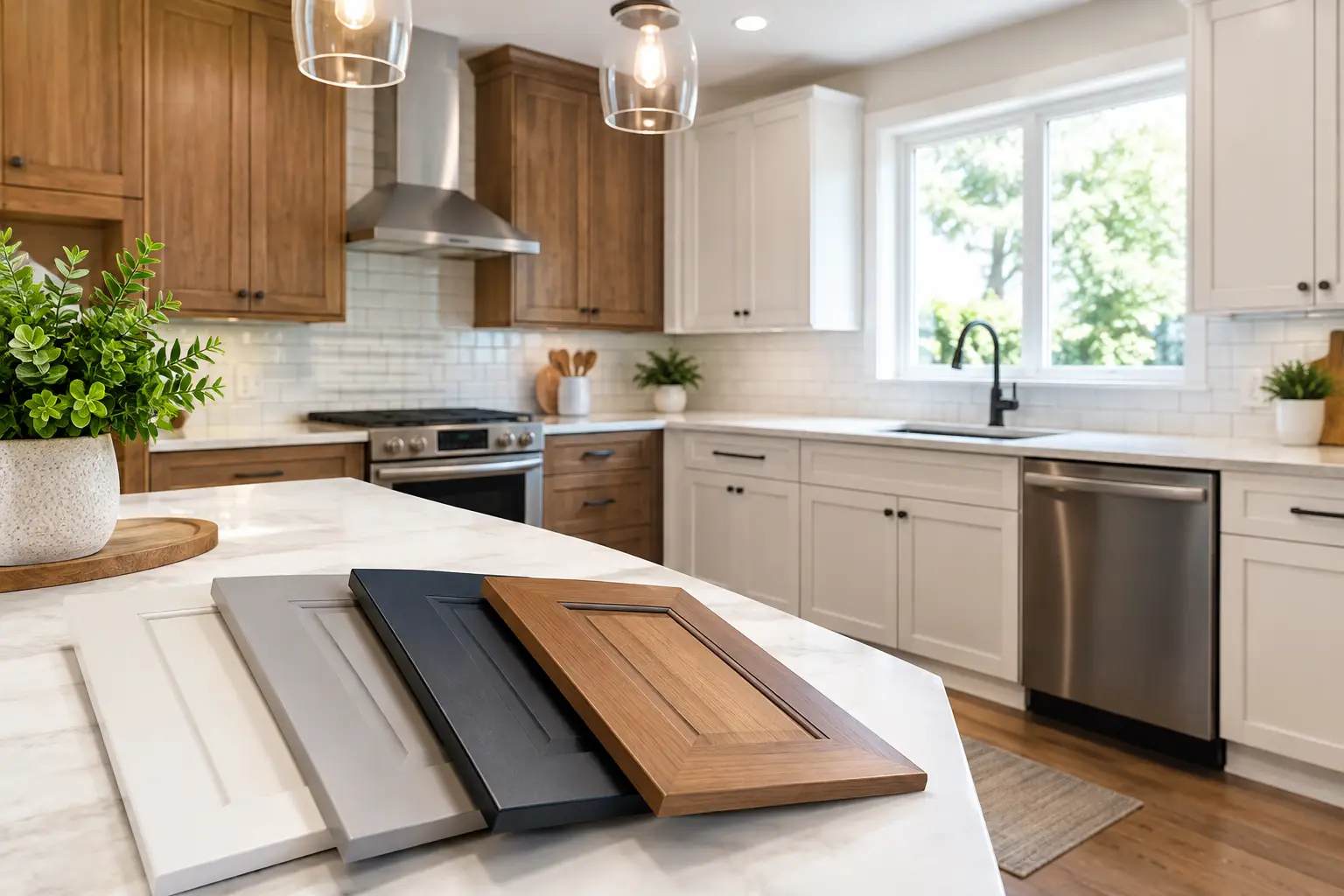
A kitchen can feel dated long before the cabinet boxes stop doing their job. If the layout works, the doors close properly, and the cabinets are structurally sound, this kitchen cabinet refacing guide can help you decide whether a fresh exterior is a smarter move than a full replacement.
Refacing changes the visible parts of your cabinets while keeping the existing boxes in place. It can make a major visual difference without the demolition, longer downtime, and added expense that often come with rebuilding the kitchen from the ground up. But it is not the right answer for every kitchen. The condition of the cabinets, the materials involved, and your plans for the room all matter.
What Kitchen Cabinet Refacing Actually Includes
Cabinet refacing is more involved than painting old doors. In a standard refacing project, the cabinet frames are covered with new veneer or laminate, and the existing doors and drawer fronts are replaced. New hinges, pulls, knobs, and trim are often added at the same time.
The result is a consistent finish across the face frames, doors, and drawers. Homeowners can choose a painted-style finish, wood grain, a simple Shaker door profile, or another look that fits the home. Refacing can also be a good time to add details such as crown molding, light rail molding, soft-close hardware, or new drawer boxes where needed.
The cabinet boxes remain in their original locations. That is the key difference between refacing and replacement. A full cabinet replacement removes the old boxes and installs new ones, which may allow for a new layout but usually involves more work around countertops, flooring, plumbing, electrical connections, and wall finishes.
When Refacing Is a Good Fit
Refacing works best when the cabinet boxes are solid, level, and in good condition. Open a few doors and drawers before making a decision. Look for sturdy side panels, secure joints, shelves that are not sagging, and no signs of water damage beneath the sink or near the dishwasher.
It is often a practical option for homeowners who like their kitchen's traffic flow but want a more current appearance. If your cabinets are well-built but have worn oak doors, faded laminate surfaces, outdated hardware, or a finish that no longer suits the rest of the house, refacing can deliver the update you want without changing the footprint.
Refacing is also worth considering if you plan to keep existing countertops and flooring. Removing cabinet boxes can disturb surfaces that were installed after the cabinets, especially flooring that runs up to the toe kicks or countertops that are still in good shape. Keeping the boxes in place can reduce the amount of related repair work.
For homes in Tallahassee, Marianna, Dothan, and nearby communities, refacing can be especially useful when a kitchen needs an upgrade but the project budget needs to stay focused. The right scope depends on the cabinet condition, not just the age of the home.
When Cabinet Replacement Makes More Sense
Refacing will not correct structural problems. If boxes are swollen from moisture, damaged by pests, separating at the joints, or poorly installed, covering them with new material only hides the underlying issue for a while.
Replacement is usually the better route when you need to change the kitchen layout. Maybe the range is in an awkward location, the refrigerator blocks a pathway, or there is not enough storage for a growing family. Refacing cannot make a narrow base cabinet wider or create room for a pantry cabinet where no cabinet exists now.
It may also be better to replace cabinets if the existing boxes are low-quality particleboard that has begun to fail. A professional can repair some localized damage, but widespread deterioration calls for a more permanent solution. The same is true when cabinets are badly out of level. New doors and drawer fronts look their best when the structure behind them is square and stable.
Choosing a Refacing Material and Style
The material you choose affects appearance, durability, maintenance, and budget. Wood veneer provides natural grain and can be a strong choice for homeowners who want the warmth of real wood. It needs careful finishing and may show wear differently than manufactured surfaces over time.
Rigid thermofoil and laminate options offer a wide range of colors and patterns, including convincing wood looks. These materials can be easy to clean and provide a uniform finish. Their long-term performance depends on product quality, proper installation, and avoiding excessive heat and moisture exposure. Cabinets next to ovens, dishwashers, and poorly vented ranges deserve close attention.
Door style should fit both the home and how long you expect to live in it. Shaker doors remain a practical choice because they work with traditional, transitional, and modern finishes. Flat-panel doors create a cleaner, more contemporary look. Raised-panel doors can suit homes with a more classic style, but they may not match every renovation plan.
Color deserves the same careful thought. White and light neutral cabinets can brighten a smaller kitchen, while medium wood tones may be more forgiving of daily fingerprints and minor scuffs. Dark colors can look sharp, but they can make a kitchen feel smaller if there is limited natural light. Bring home samples and view them in morning, afternoon, and evening light before committing.
Plan the Details Before Work Begins
The visible cabinet surfaces get most of the attention, but the details determine whether the finished kitchen feels complete. New cabinet pulls and knobs can change the style quickly, yet they must be sized and placed consistently. Soft-close hinges and drawer slides add everyday convenience, particularly in busy family kitchens.
Think about what is behind the doors as well. Refacing may be the right time to repair drawer boxes, add roll-out shelves, install a pull-out trash unit, or improve under-sink storage. These upgrades do not change the room's layout, but they can make the kitchen function better every day.
If you are replacing countertops, backsplash, or appliances, coordinate the sequence of work before ordering cabinet components. Measurements need to be accurate, and material lead times can affect the schedule. A new countertop may influence the height of a backsplash, while a larger refrigerator can affect the clearance beside upper cabinets.
What Affects the Cost of Cabinet Refacing
Cabinet refacing generally costs less than a full cabinet replacement, but the final price varies significantly. The number of doors and drawer fronts is a major factor, along with the selected material, door profile, hardware, trim, and repairs needed before the new surfaces can be installed.
A small kitchen with straightforward cabinet runs is typically simpler than a large kitchen with multiple corners, an island, tall pantry cabinets, decorative end panels, and glass-front doors. Custom sizes and specialty storage features can also raise the cost.
Be cautious when comparing estimates based only on a low starting number. A useful estimate should make clear what is included: door and drawer-front replacement, frame covering, hinges, hardware installation, trim work, adjustments, cleanup, and any repairs to damaged cabinet components. Ask whether countertops, backsplash work, electrical adjustments, or plumbing disconnection are separate items if those upgrades are part of the plan.
Why Professional Installation Matters
Cabinet refacing depends on precise measuring, careful surface preparation, and exact alignment. Even a small error in a door order or veneer application can stand out across a full kitchen. Cabinet faces must be clean, secure, and properly prepared so the new material bonds correctly and edges remain neat.
Installation also involves fitting doors and drawer fronts so gaps are even and hardware is level. That takes more than basic handyman tools. A skilled installer can identify issues with bowed frames, uneven walls, damaged hinges, and drawers that no longer track correctly before those issues affect the finished appearance.
Sola Handyman Services helps homeowners evaluate practical kitchen improvements and complete remodeling work with attention to the details that make a room function well. A professional review of the existing cabinets can save money by confirming whether refacing is realistic before materials are selected.
Keep Refaced Cabinets Looking Their Best
Once the work is complete, routine care is simple. Wipe spills promptly, especially around the sink, dishwasher, and range. Use a soft cloth with a mild cleaner, then dry the surface rather than leaving moisture along seams and edges. Avoid abrasive pads, harsh solvents, and excessive water, which can damage finishes or work into joints over time.
Check hinges and drawer slides occasionally. A quick adjustment can prevent a door from rubbing, sagging, or striking the cabinet frame. Good ventilation also matters. Use the range hood while cooking to reduce grease buildup and moisture that can shorten the life of cabinet surfaces.
A well-planned refacing project should leave you with more than a better-looking kitchen. It should give you cabinets that suit how your household cooks, stores, gathers, and gets through the day - without paying for a full rebuild when your existing cabinet structure still has years of useful life.