Repair vs Replace Windows: What Makes Sense?
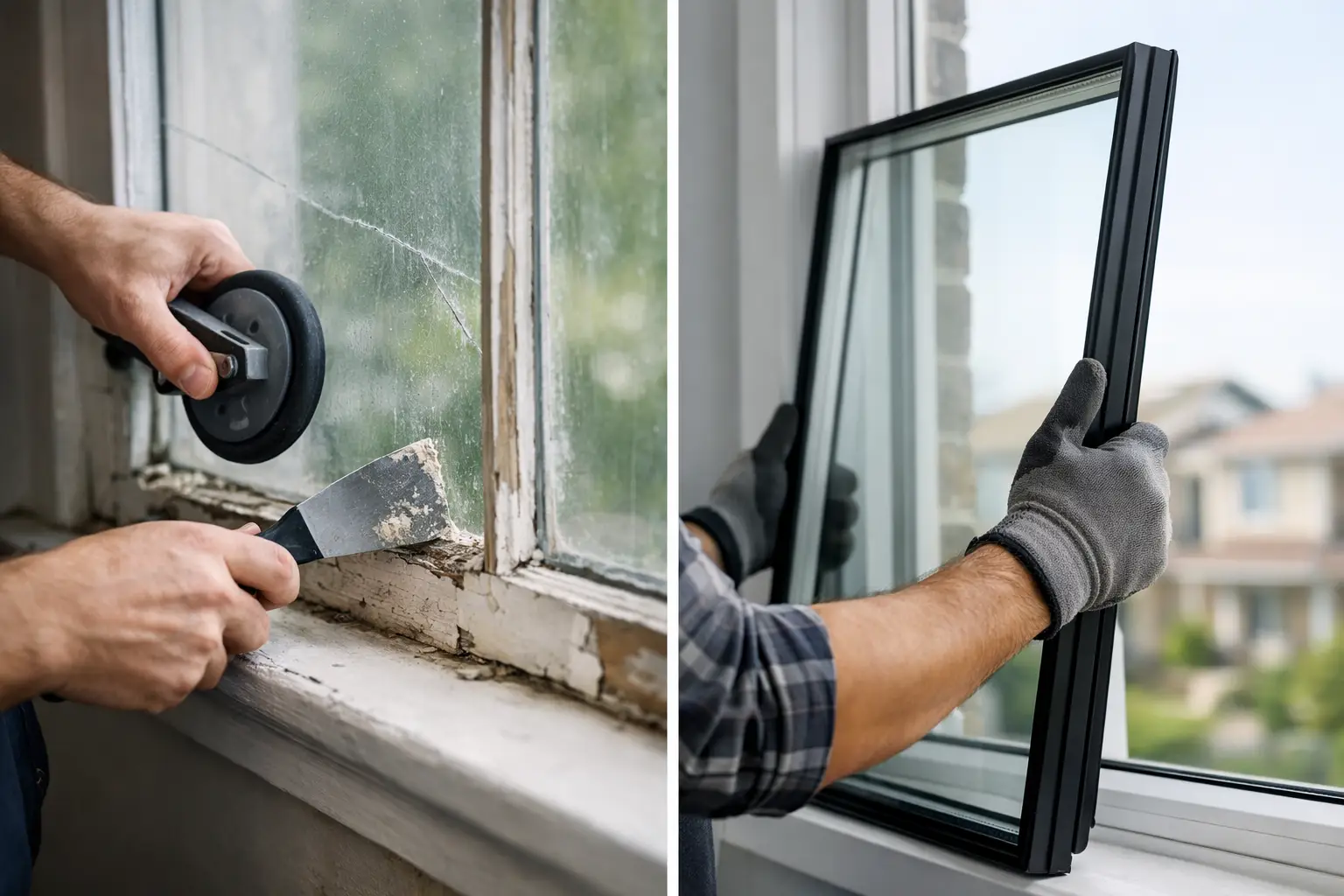
A window that sticks, fogs up, lets in a draft, or shows water staining can make the repair vs replace windows decision feel more urgent than it is. Some problems have a straightforward repair. Others are signs that the window has reached the end of its useful life. The right choice depends on the condition of the frame, glass, hardware, surrounding wall, and your plans for the home.
For homeowners in Tallahassee, Marianna, Dothan, and nearby communities, the goal is usually the same: keep the home comfortable, protected from moisture, and looking well cared for without spending more than the project requires. A careful inspection is the best place to start.
Repair vs Replace Windows: Start With the Source of the Problem
A window problem is not always a window replacement problem. Air leaks may come from worn weatherstripping, failed caulk, or a poor seal between the frame and exterior trim. Difficulty opening a window can be caused by paint buildup, a damaged sash cord, a bent track, or worn balances. Water may enter around the exterior trim rather than through the window itself.
That distinction matters. Replacing a window without correcting rotten trim, damaged siding, or a flashing issue can leave the underlying moisture problem in place. On the other hand, repeatedly repairing a window with structural damage can become more expensive and frustrating than installing a new unit.
Before making a decision, look for the condition of the whole opening. Check the sill, frame, trim, drywall around the window, and exterior siding. Soft wood, peeling paint that returns quickly, dark water stains, or a musty odor deserve attention. These signs may indicate moisture intrusion that goes beyond a simple hardware repair.
When Window Repair Is Usually the Better Choice
Repair makes sense when the window is fundamentally sound and the issue is limited to a part that can be repaired or adjusted. A good frame, intact glass, and a properly functioning lock and sash system are all reasons to preserve the existing window.
Minor drafts and air leaks
Drafts are common, especially in older homes. Replacing cracked caulk, adding weatherstripping, adjusting a latch, or repairing trim can often improve comfort. These repairs are especially worthwhile when the glass and frame are still in good condition.
A draft should not be ignored simply because it seems small. Over time, it can make a room uncomfortable, increase strain on heating and cooling equipment, and allow humid outdoor air into the home. In the Florida Panhandle and southeast Alabama, that added humidity can contribute to condensation and moisture concerns.
Broken hardware or operation issues
A window that will not stay open, will not lock, or is hard to slide may need new balances, hinges, tracks, latches, or cranks. These components wear out long before a quality window frame necessarily does. Paint buildup and minor swelling can also keep wood windows from operating correctly.
Repairing operation issues is often a practical choice when the sash is solid and the window opens squarely in its frame. Restoring a working lock also improves security, which is a priority for ground-floor windows and rooms used by children.
Localized wood damage
Small areas of wood rot may be repairable if the damage is caught early and has not compromised the window frame or wall opening. Damaged trim, a portion of sill, or exterior casing can sometimes be removed and rebuilt. The key is finding and fixing the water source before completing the cosmetic work.
If rot has spread through the frame, sill, or adjacent wall materials, replacement may be the more dependable option. A professional assessment can help separate a manageable trim repair from a larger moisture-related project.
Single-pane glass damage
A cracked pane does not automatically require a whole new window. In many cases, glass can be replaced while keeping the existing sash and frame. This can be a cost-effective repair for a window that otherwise fits, operates, and seals well.
Signs It Is Time to Replace Your Windows
Replacement becomes the stronger long-term choice when repairs will not restore reliable performance. The issue is not whether a window has one flaw. It is whether the window can still protect the home from weather, moisture, pests, and unwanted air movement after the repair is complete.
Extensive rot, warping, or frame damage
Wood frames that are soft in several areas, vinyl frames that are cracked or warped, and aluminum frames that no longer hold the sash securely are often beyond a practical repair. Structural deterioration can prevent the window from sealing correctly and may allow water to reach the wall system.
Replacement is also worth considering when the window opening itself has shifted. A window that is badly out of square may continue to bind, leak, or fail to lock even after repeated adjustments.
Condensation between insulated glass panes
Fogging or moisture trapped between double-pane glass usually means the insulated glass seal has failed. The window may still keep out rain, but its insulating performance and appearance have been affected. Depending on the window type and condition, replacing the insulated glass unit may be possible. If the frame, sash, and hardware are also worn, full window replacement is often the more sensible investment.
Repeated repairs with no lasting improvement
If you have repaired the same window more than once and it still leaks, sticks, or shows water damage, it is time to step back and evaluate the larger picture. Frequent patchwork can add up quickly. A replacement window may provide better reliability, fewer maintenance demands, and a cleaner appearance.
Major comfort and energy concerns
Older single-pane windows, damaged seals, and poorly fitting frames can make certain rooms noticeably hotter in summer or colder in winter. New windows are not a cure for every comfort issue - attic insulation, wall insulation, ductwork, and air sealing also matter - but they can make a meaningful difference when the existing windows are failing.
Consider the Home's Style and Your Long-Term Plans
The repair vs replace windows decision should also fit the home, not just the immediate problem. Original wood windows may be worth repairing when they are part of the character of an older home and can be restored to operate properly. A well-maintained wood window with repaired glazing, weatherstripping, and exterior protection may have many useful years ahead.
For a home being prepared for sale, targeted repairs can improve curb appeal and function without taking on a full replacement project. For a homeowner planning to stay for many years, replacement may be a better value when several windows are aging, inefficient, or showing the same defects.
Consistency matters, too. Replacing one severely damaged window is practical. Replacing windows room by room can also work when the remaining units are in good condition. But when multiple windows are failing, a coordinated plan may produce a more consistent look and avoid repeated disruption.
Do Not Overlook Exterior Trim and Moisture Control
Windows depend on the materials around them. Exterior caulk, trim, siding, flashing, and paint all help direct water away from the opening. When those materials fail, even a newer window can develop problems.
This is why a window project should include an inspection of the exterior details. Replacing a window while leaving rotted trim in place is not a complete repair. Likewise, sealing over damaged wood without addressing the moisture source only delays the next repair.
A properly completed project should leave the window secure, weather-protected, and finished in a way that fits the home. That may involve carpentry, trim repair, caulking, painting, or minor siding work in addition to the window itself.
Get a Clear Scope Before Approving the Work
A dependable contractor should explain what is damaged, what can be repaired, and what needs replacement. Ask whether the issue is limited to glass, hardware, caulk, trim, or the frame. If replacement is recommended, ask why repair would not provide a lasting result.
It also helps to discuss the order of work. Moisture damage, structural concerns, and exterior protection should be handled before cosmetic finishing. This approach prevents a fresh paint job or new trim from covering up a problem that will return after the next heavy rain.
Sola Handyman Services helps homeowners evaluate related repair needs around window openings, including trim, rot repair, caulking, and finish work. Clear workmanship and a practical scope can help you make a decision based on the real condition of the home rather than a one-size-fits-all answer.
The best window decision is the one that solves the cause of the problem, protects the surrounding structure, and fits your plans for the property. A careful inspection now can prevent a small draft or soft piece of trim from turning into a larger repair later.