Walk In Shower vs Tub: Which Fits Your Home?
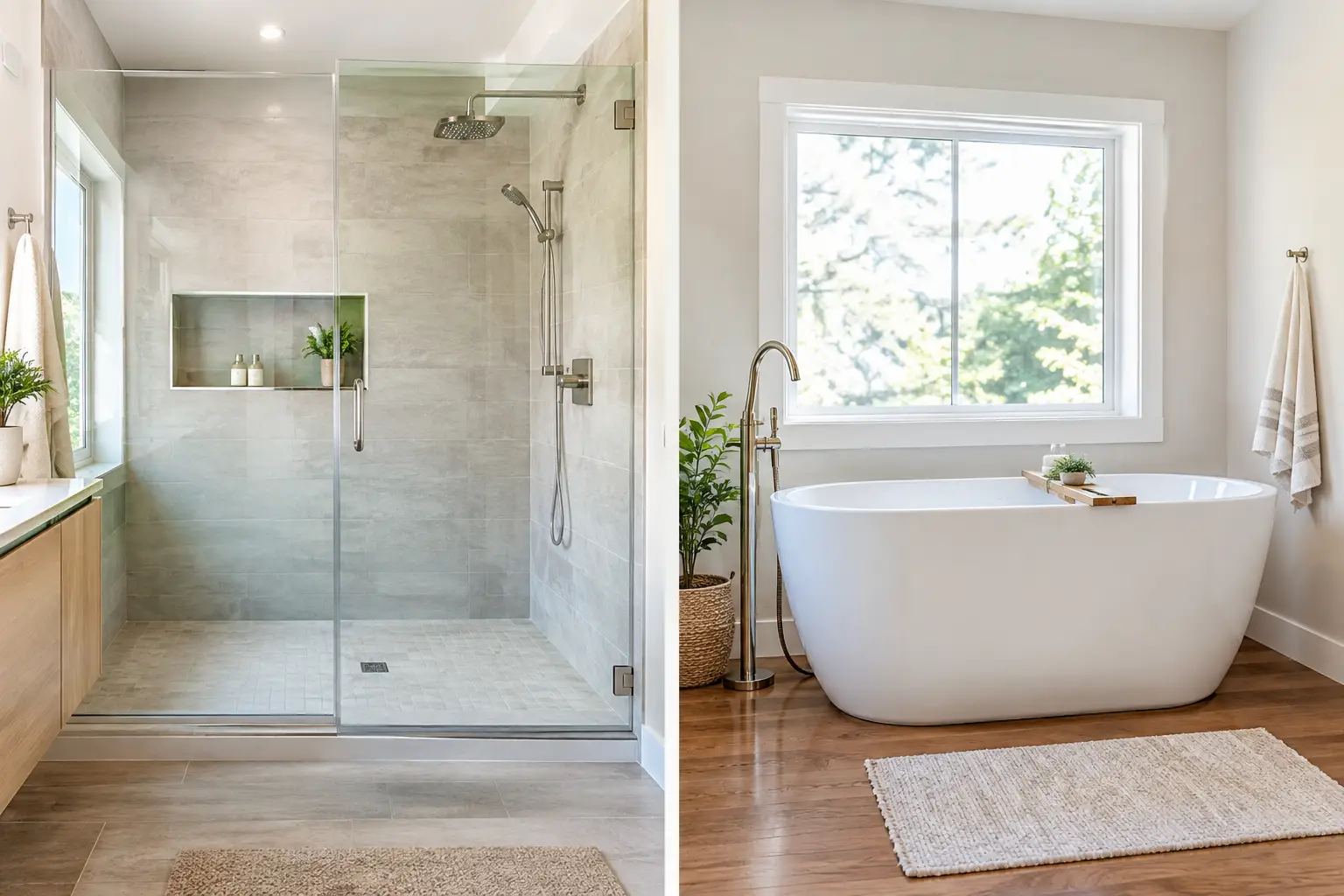
A bathroom remodel can change how your home works every day, especially when you are deciding between a walk in shower vs tub. The right choice is not always the one that looks best in a showroom. It should fit the people using the bathroom now, the space available, your long-term plans, and the condition of the plumbing behind the walls.
For many homeowners in Tallahassee, Marianna, Dothan, and nearby communities, replacing an old tub is an opportunity to solve a real problem: a high step-over wall, a cramped layout, water damage, or a bathroom that simply feels dated. Before choosing fixtures and tile, consider how the room needs to perform.
Walk In Shower vs Tub: Start With Daily Use
The simplest question is also the most useful: who uses this bathroom, and how do they use it? A walk-in shower is often the practical choice for adults who want a faster, easier daily routine. A tub remains valuable for families with young children, homeowners who enjoy soaking, and households that want to preserve a bathing option for guests.
A walk-in shower does not always mean a completely curbless shower. It may have a low threshold or a small curb to help contain water. A true curbless design can be an excellent accessibility feature, but it requires careful planning for floor slope, drainage, waterproofing, and the bathroom floor height. It is not a project to treat as a basic fixture swap.
When a Walk-In Shower Makes Sense
A walk-in shower can make a smaller bathroom feel more open, particularly when paired with a clear glass panel or door. It eliminates the need to step over a tall tub wall, which can make daily bathing safer and more comfortable for aging homeowners or anyone with limited mobility.
It also gives you more room to customize the bathing area. A well-planned shower can include built-in shelving, a bench, handheld showerhead, grab bars installed with proper wall backing, and easy-to-reach controls. These additions improve convenience without making the room feel cluttered.
Cleaning can be easier than cleaning an old tub-and-shower combination, but materials matter. Large-format tile and fewer grout lines reduce maintenance. Frameless glass looks clean and modern, though it needs regular wiping to limit water spots. Tile showers also need sound waterproofing below the finished surface. Attractive tile cannot make up for poor preparation behind it.
When Keeping a Tub Is the Better Choice
A tub is still a functional part of many homes. Parents of infants and young children often find it much easier to manage bath time with a tub. Some homeowners also prefer a tub for soaking and relaxation, especially in a primary bathroom with enough room for a separate shower.
From a resale standpoint, it is generally wise for a home to retain at least one bathtub, particularly in family-oriented neighborhoods. That does not mean every bathroom needs a tub. If the home has another full bathroom with a usable tub, converting a secondary or primary bath to a walk-in shower may be a reasonable improvement.
A tub may also be the better fit when space is tight. A standard tub-and-shower combination uses a familiar footprint and keeps the plumbing layout relatively simple. Replacing an aging tub surround, updating fixtures, and improving ventilation can deliver a noticeable upgrade without changing the entire room configuration.
A Separate Tub and Shower Is Not Always Necessary
A large primary bathroom may have room for both, but adding a separate tub and shower can consume valuable floor space and raise the project cost. Plumbing changes, tile work, drainage, electrical updates, and ventilation all add up quickly.
If no one in the household takes baths regularly, a large soaking tub may become an expensive feature that is rarely used and difficult to clean around. In that case, a generously sized shower with thoughtful storage and seating may serve the household better. On the other hand, homeowners who genuinely enjoy baths may see a freestanding or drop-in tub as a worthwhile part of their routine.
Consider Safety Before Style
Safety is one of the strongest reasons homeowners choose a walk-in shower. Stepping over the side of a tub becomes more difficult after an injury, during pregnancy, or as mobility changes with age. A low-entry shower can reduce that challenge, especially when it includes secure grab bars and slip-resistant flooring.
Grab bars should be anchored to framing or properly installed blocking, not attached as an afterthought to drywall or tile alone. Shower benches should be designed for the available space and built to handle regular use. Flooring should provide traction when wet without being so heavily textured that it becomes hard to clean.
A tub can still be safe when it is in good condition and fitted with a secure grab bar, non-slip surface, and reliable bath mat. However, those additions do not remove the need to step over the tub wall. For homeowners planning to age in place, this difference deserves serious consideration.
Budget Depends on What Is Behind the Walls
Many homeowners assume a tub-to-shower conversion will cost less than installing a new tub because a shower seems simpler. Sometimes that is true, especially when the new shower uses the same plumbing location and a prefabricated shower base or surround. But a custom tile shower can become more involved than a standard tub replacement.
The biggest cost factors are often hidden. Removing the existing tub may reveal water-damaged subflooring, deteriorated framing, outdated plumbing connections, or missing waterproofing. Moving a drain, widening the shower, lowering the floor for a curbless entry, or relocating walls will add labor and materials.
A dependable remodel plan accounts for these possibilities before finishes are selected. Spend money first on the parts that protect the home: plumbing connections, drainage, wall preparation, shower pan installation, waterproofing, and ventilation. Fixtures and decorative tile matter, but they should sit on a solid foundation.
Think About Layout and Storage
A shower conversion can open up a bathroom, but it needs a layout that works in real life. Confirm that the door can swing freely, the toilet has comfortable clearance, and there is room to dry off and move around safely. A shower door that hits a vanity or blocks the bathroom entry creates frustration every day.
Storage is another frequent oversight. A tub ledge often becomes a place for shampoo and soap, even if it is not ideal. A new shower needs recessed niches, corner shelves, or other storage built into the design. Plan their height around the people who will use the shower, not just around the tile pattern.
Ventilation also deserves attention. Bathrooms in Florida and Alabama deal with humidity for much of the year. A properly sized, working exhaust fan helps manage moisture and protects paint, drywall, trim, and grout. If the bathroom has recurring mildew, peeling paint, or condensation, address ventilation as part of the remodel rather than covering up the symptoms.
Make the Choice That Supports Your Next Several Years
Choose a walk-in shower when ease of entry, daily convenience, and accessible use are the priority. Keep or install a tub when young children, regular soaking, or maintaining a bathtub in the home matters more. If you are uncertain, look at the full house rather than the bathroom alone. A home with one tub elsewhere gives you more freedom to customize another bathroom around your routine.
Before work starts, measure the room carefully, inspect the existing plumbing and subfloor, and decide which features are needs versus wants. Sola Handyman Services can help homeowners evaluate bathroom improvement options and complete practical remodeling work with attention to the details that affect long-term use.
The best bathroom is not the one with the most features. It is the one that feels safe, functions smoothly on busy mornings, and remains easy to live with long after the new tile has lost its showroom shine.