When Interior Door Replacement Is Worth It
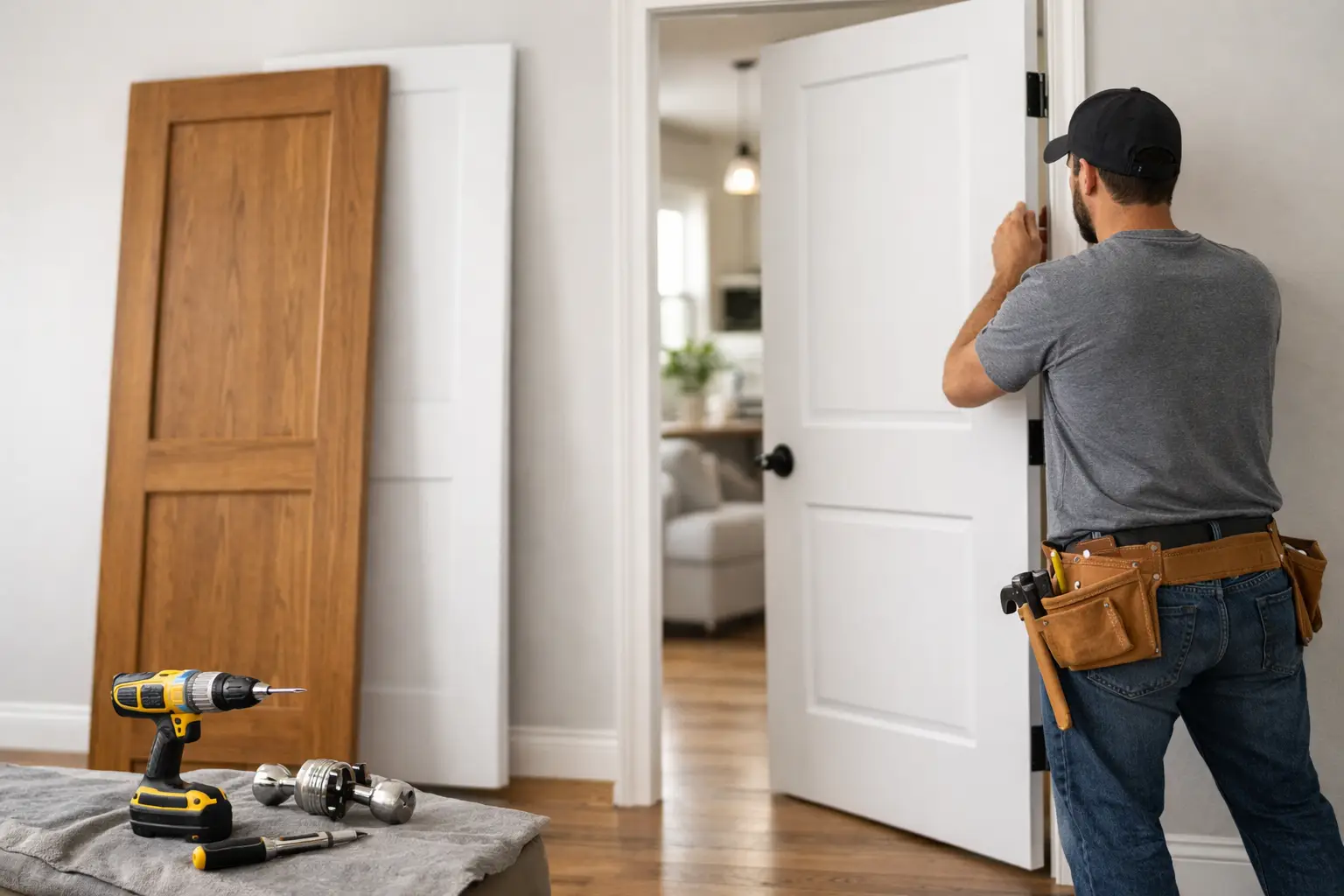
A bedroom door that sticks every morning, a bathroom door that will not latch, or a hollow-core panel with a fist-sized hole can make an otherwise well-kept home feel unfinished. Interior door replacement is one of those upgrades that improves daily function immediately while also giving a room a cleaner, more updated appearance.
For homeowners in Tallahassee, Marianna, Dothan, and nearby communities, the right solution depends on more than the look of the new door. The condition of the frame, the size of the opening, the type of flooring, and the amount of privacy needed all affect the job. A door that looks good on the shelf still has to fit, swing properly, latch securely, and meet the needs of the room.
Signs It Is Time to Replace an Interior Door
Minor issues do not always require a new door. A loose hinge, worn strike plate, or light rubbing at the jamb can often be corrected with a practical repair. Replacement makes more sense when the door itself or the surrounding frame has reached the point where repairs will not provide a lasting result.
Visible damage is a common reason to replace a door. Cracked panels, water-swollen edges, delaminated veneer, deep gouges, and broken rails can be difficult to repair without leaving a noticeable result. Hollow-core doors are especially prone to punctures and edge damage, while older wood doors may warp after years of humidity changes.
Function is just as important. A door that will not stay open or closed, drags badly across the floor, rattles in the frame, or has a latch that never lines up may point to a larger issue. Sometimes the door has warped. In other cases, the jamb has shifted, the hinges are pulling loose, or prior flooring work changed the clearance at the bottom of the door.
Homeowners also replace doors during remodeling projects to create a more consistent look. Mismatched styles, outdated flat panels, damaged closet doors, and builder-grade hollow-core doors can stand out after new paint, flooring, or trim has been installed. Replacing several doors at once can bring visual consistency to a hallway, bedroom wing, or entire home.
Choosing the Right Door for the Room
Interior doors are not all built for the same purpose. The best choice balances appearance, durability, sound control, and budget.
Hollow-core doors are lightweight and economical. They work well for closets, pantries, and low-traffic rooms where sound reduction is not a major concern. They are easy to handle during installation, but they can feel less substantial and are more easily damaged than heavier alternatives.
Solid-core doors offer a noticeable upgrade in feel and performance. They reduce sound transfer better than hollow-core doors and are a good fit for bedrooms, home offices, bathrooms, and laundry rooms. They cost more and are heavier, so proper hinge support and careful installation matter.
Solid wood doors bring natural character and can be refinished, but they are usually a higher-cost option. They may also expand or contract with humidity, particularly in homes where indoor conditions vary. For many homeowners, a quality solid-core painted door provides the appearance and performance they want without the added cost and maintenance considerations of natural wood.
Style matters, too. Traditional raised-panel doors suit many established homes, while shaker-style doors work well in both classic and updated interiors. Flush doors can create a clean, simple look. For closets and laundry spaces, bifold, bypass, or barn-style doors may save space, although each option has different hardware and clearance requirements.
Before choosing a style, consider how the door will operate in the room. A swinging door needs enough clear floor space. A bathroom door may need to swing outward if a tight layout makes inward movement impractical. A sliding option can solve a clearance problem, but it may not provide the same sound control or privacy as a properly fitted swinging door.
Slab vs. Prehung Interior Door Replacement
One of the first decisions in an interior door replacement project is whether to install a slab door or a prehung door unit.
A slab is the door only. It can be a good option when the existing jamb is square, solid, and in good condition. The new slab must match the existing opening closely, and hinge locations, latch bore, backset, swing direction, and door height all need to be accurate. This approach can preserve existing trim and may reduce the amount of finish work required, but it demands careful measuring and precise cutting.
A prehung door arrives mounted in its own frame. It is often the better choice when the existing jamb is damaged, out of square, or poorly aligned. The old frame is removed, the new unit is positioned and shimmed, and the door is adjusted so it operates correctly before trim is installed or reinstalled.
Prehung installation involves more work around the opening, but it gives the installer control over the whole assembly. That matters when a door has been sticking for years because the frame was never square to begin with. It is also a practical option during larger remodeling work when trim, flooring, or wall repairs are already part of the project.
What a Proper Installation Should Address
A new door should not be forced into an old problem. Professional installation begins with checking the opening, jamb condition, floor height, and swing direction. Even a small measurement error can leave uneven gaps, rubbing at the floor, or a latch that will not catch.
The door must be plumb, level, and properly shimmed within the frame. Hinge screws should be secure, and longer screws may be used at key hinge locations to improve support where appropriate. The reveal around the top and sides should be even, and the latch should engage without pushing, lifting, or slamming the door.
Hardware placement also deserves attention. A new lever or knob should align with the strike plate and operate smoothly. Privacy hardware is useful for bathrooms and bedrooms, while passage hardware is common for halls and closets. A closet may only need a pull, depending on the door style.
Finish work makes the installation look complete. This can include repairing drywall around the opening, reinstalling or replacing casing, filling nail holes, caulking trim joints, and touching up paint. If new flooring has been installed, the bottom clearance should be checked carefully so the door moves freely without leaving an oversized gap.
Common Problems Hiding Behind a Bad Door
A difficult door is sometimes a warning sign rather than an isolated issue. Water damage around a bathroom or laundry room opening may have affected the jamb and nearby trim. Repeated sticking can result from seasonal movement, but it can also point to settling, loose framing, or a floor that has changed height after renovation work.
In older homes, openings are often not perfectly square. That does not prevent a successful replacement, but it does mean the door may need more fitting and adjustment than a standard installation. A dependable handyman should identify those conditions before the project starts, rather than treating every opening as if it were identical.
Paint can create problems as well. Thick layers along the jamb, hinges, or door edges may cause rubbing and prevent proper closing. In some cases, removing paint buildup and making small adjustments is enough. In others, especially where the door is already warped or damaged, replacement is the more sensible investment.
Planning Your Project and Budget
The cost of replacing an interior door varies with the door material, style, hardware, frame condition, trim work, painting, and number of doors involved. Replacing one damaged slab door is a different project from installing six solid-core prehung doors throughout a home.
It helps to decide early whether matching existing doors is the goal or whether the project is part of a broader update. If several doors are worn or mismatched, completing them together can create a more consistent result and reduce repeated setup work. If only one door needs attention, choosing a close match in panel profile, finish, and hardware can keep the room from looking patched together.
For homeowners who would rather avoid the measuring, trimming, hinge mortising, and adjustment work, Sola Handyman Services can help with interior door installation as part of a practical repair or remodeling project. The goal is not simply to hang a new door, but to leave you with one that closes properly, looks right in the space, and holds up to everyday use.
A well-fitted interior door is easy to overlook once the work is done. That is usually the sign of a job completed correctly: the door opens quietly, latches without effort, gives the room the privacy it needs, and looks like it has always belonged there.