When to Replace Exterior Siding: 8 Signs
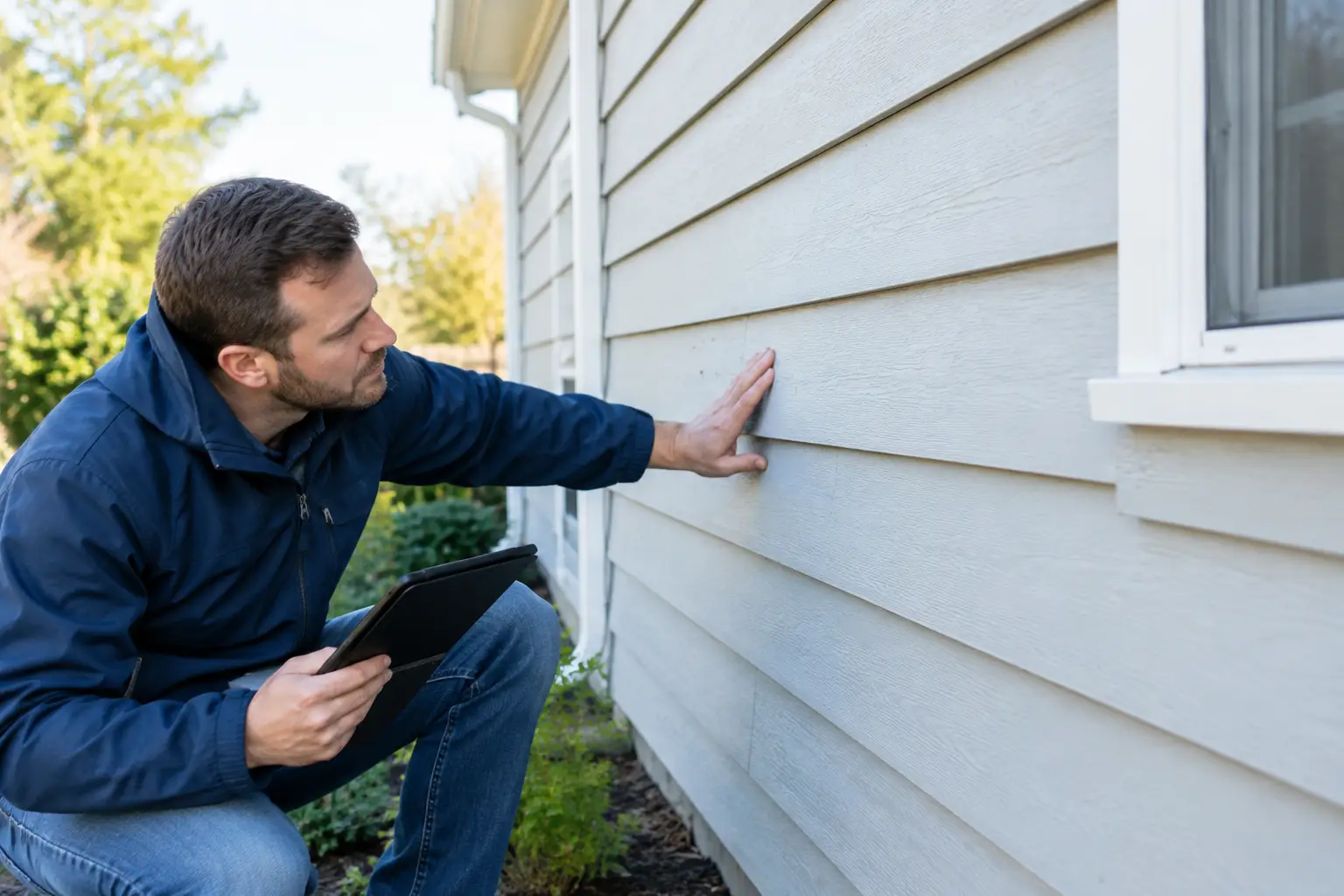
A loose board near the porch or a patch of faded siding may seem like a cosmetic problem, but exterior cladding does much more than affect curb appeal. It helps protect your wall framing, insulation, and interior finishes from rain, humidity, wind, and pests. Knowing when to replace exterior siding can keep a manageable repair from becoming hidden water damage inside the walls.
For homeowners in Tallahassee, Marianna, Dothan, and nearby communities, weather is part of the equation. Strong sun, heavy rain, high humidity, and seasonal storms can wear down siding faster than expected. The right decision depends on the siding material, the extent of damage, and whether moisture has reached the structure behind it.
8 Signs It Is Time to Replace Exterior Siding
1. Rot, soft spots, or crumbling material
Wood siding that feels soft when gently pressed, flakes apart, or shows dark, decayed areas has likely been exposed to moisture for too long. Small sections of rot can sometimes be removed and replaced. When rot appears in several areas, returns after repairs, or extends around windows, doors, and trim, replacement is usually the better long-term choice.
Do not cover rotted siding with paint or caulk and assume the problem is solved. Those products may improve the appearance temporarily, but they do not restore damaged wood or stop moisture trapped behind it.
2. Cracks, holes, or gaps that keep appearing
One crack from an impact or one small hole near a utility line may be repairable. Widespread cracks, broken panels, open seams, or gaps where siding meets trim are different. These openings can let rain, humid air, insects, and even rodents into the wall system.
Vinyl siding can crack after storm debris hits it or after years of exposure to heat and sun. Fiber cement and wood can split, especially where fasteners, flashing, or sealant have failed. If repairs are becoming frequent, replacement may cost less over time than continuing to patch separate sections.
3. Warped, buckled, or loose panels
Siding should sit flat and secure against the exterior wall. Panels that bow outward, ripple, buckle, or pull away from the house deserve a closer look. Warping may result from improper installation, heat exposure, moisture behind the siding, or movement in the wall itself.
A single loose panel may be resecured if the surrounding material and wall are dry and sound. Multiple warped areas are more concerning because they can point to trapped water, failed house wrap, or siding that has reached the end of its service life. A professional inspection can help identify whether the problem is limited to the siding or involves the wall beneath it.
4. Peeling paint or repeated maintenance on wood siding
Painted wood siding needs periodic care, but it should not need constant scraping and repainting. Peeling, blistering, bubbling, or widespread cracking paint often means moisture is affecting the wood or the surface was unable to hold a proper finish.
If you are repainting every few years because the same areas keep failing, replacement may be a better investment. New siding can reduce maintenance needs while giving the home a more consistent appearance. The best material depends on your budget, the home’s design, and how much upkeep you want to handle in the future.
5. Fading that changes the look of the whole home
Fading alone does not always mean the siding has failed. Sun exposure naturally dulls many materials over time, especially on the sides of the house that receive the strongest afternoon light. Still, severe or uneven fading can make an otherwise well-kept home look worn down.
Replacement makes sense when fading comes with brittleness, cracks, chalking, or other signs of age. It can also be practical when replacement panels no longer match the original color. For many homeowners, this is an opportunity to improve curb appeal while addressing an exterior that is no longer protecting the home as well as it should.
6. Mold, mildew, or water stains that return
Surface mildew can develop on shaded exterior walls in humid Florida and Alabama conditions. In many cases, careful cleaning and better drainage can resolve the issue. But stains that return quickly, dark streaks below windows, mold around seams, or persistent moisture on the siding may signal a deeper problem.
Look for clogged gutters, missing flashing, leaking windows, roof runoff, and landscaping that holds moisture against the house. If the source has been corrected but staining and deterioration continue, water may already be getting behind the siding. Replacement should include fixing the moisture source first, not simply installing new material over the same problem.
7. Insect activity or pest damage
Termites, carpenter ants, and wood-boring insects can damage wood siding and the framing behind it. Small holes, sawdust-like debris, hollow-sounding boards, or unexplained soft areas should not be ignored. Pest damage can be limited to a few boards, but it may also reveal a larger moisture issue that attracted insects in the first place.
Before new siding is installed, active pest problems should be addressed and damaged framing should be evaluated. Replacing siding without correcting the conditions behind the damage can lead to the same issue again.
8. Rising repair costs and a growing list of trouble spots
The clearest answer to when to replace exterior siding is often found in the repair history. If you have repaired a few isolated boards after a storm, continued maintenance may be reasonable. If you are dealing with recurring leaks, loose sections, rot, paint failure, pest damage, and mismatched patches across several sides of the house, replacement can be the more practical route.
Think about the condition of the entire exterior, not just the most visible spot. A larger project has a higher upfront cost, but it can provide a consistent weather barrier, eliminate repeated service calls, and improve the home’s appearance at the same time.
When a Repair Is Enough
Not every damaged section calls for full replacement. Localized repairs often make sense when the siding is relatively new, the underlying wall is dry, and the damage came from a single event such as windblown debris or accidental impact. Replacing a small area can also be a good choice when matching material is available and the rest of the siding remains in good condition.
The trade-off is that spot repairs do not solve widespread aging. A new patch may stand out against faded older siding, and the work may only postpone a larger project if other sections are beginning to fail. An honest assessment of the siding, trim, caulking, gutters, and wall condition helps avoid spending money on a short-term fix that will not last.
What to Check Before Replacing Siding
A siding project should address the details that protect the home behind the visible panels. That includes checking for damaged sheathing, deteriorated trim, missing flashing, window and door leaks, and poor drainage around the foundation. These items affect how well new siding performs.
Material choice also matters. Vinyl can be a cost-conscious, low-maintenance option, while fiber cement offers durability and a painted finish that suits many homes. Wood provides a classic appearance but requires more upkeep. The right choice depends on local conditions, maintenance expectations, and the style of your property.
For homes in the Tallahassee, Marianna, and Dothan areas, Sola Handyman Services can help homeowners assess exterior damage, complete related repairs, and plan improvement work that makes sense for the condition of the home. A close look now can protect the walls behind your siding and give you a clearer path forward before the next heavy rain finds the weak spot.